 1.
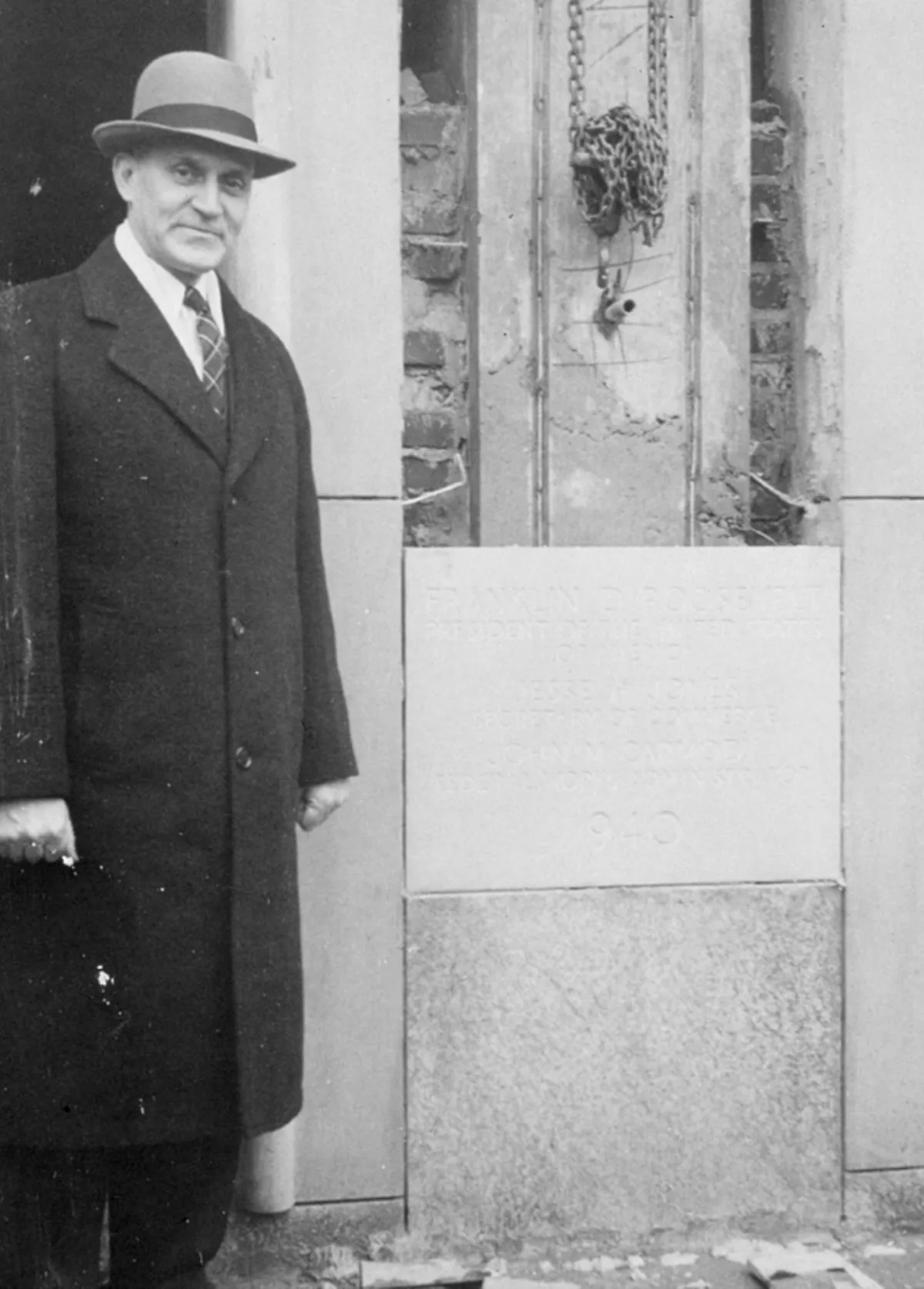
1. Francis Reichelderfer did not even begin his career as a meteorologist, receiving a BS in chemistry and chemical engineering from Northwestern University in 1917.
 1.
1. Francis Reichelderfer did not even begin his career as a meteorologist, receiving a BS in chemistry and chemical engineering from Northwestern University in 1917.
Francis Reichelderfer attended the ground school at Massachusetts Institute of Technology, signing up for courses in aerology, expecting to be sent to Europe.
Francis Reichelderfer received training as a US Navy pilot and received his wings, meanwhile providing meteorological support for the first transatlantic flight of the Navy's NC-4.
Francis Reichelderfer worked in a corner of the main Weather Bureau offices in Washington, DC, drawing up maps, comparing them to official forecasts, and pondering the weather.
Francis Reichelderfer was doing research on air mass and frontal analysis and simulation of atmospheric circulation, meanwhile establishing the first weather service support for civil aviation.
Francis Reichelderfer wrote a paper, Report of Norwegian Methods of Weather Analysis, which was used by Navy meteorological officers and other progressive meteorologists.
Francis Reichelderfer understood the need for worldwide weather services, helped institute wartime training for hundreds of meteorologists, recruited hundreds of women to replace the men who had entered the armed services, and served on the Joint Meteorological Committee composed of himself and the heads of the Army and Navy weather services.
Francis Reichelderfer quickly grasped the importance of technological advances and soon pursued radar as a weather observation and forecast tool.
Francis Reichelderfer was instrumental in making important changes in the Weather Bureau through his ability to guide the organization; work with, encourage, and direct talented individuals; and work within the military and political systems of the US and international bodies.
Francis Reichelderfer's influence transcended the national boundaries as he helped form the World Meteorological Organization and served as its first president in 1951.