 1.
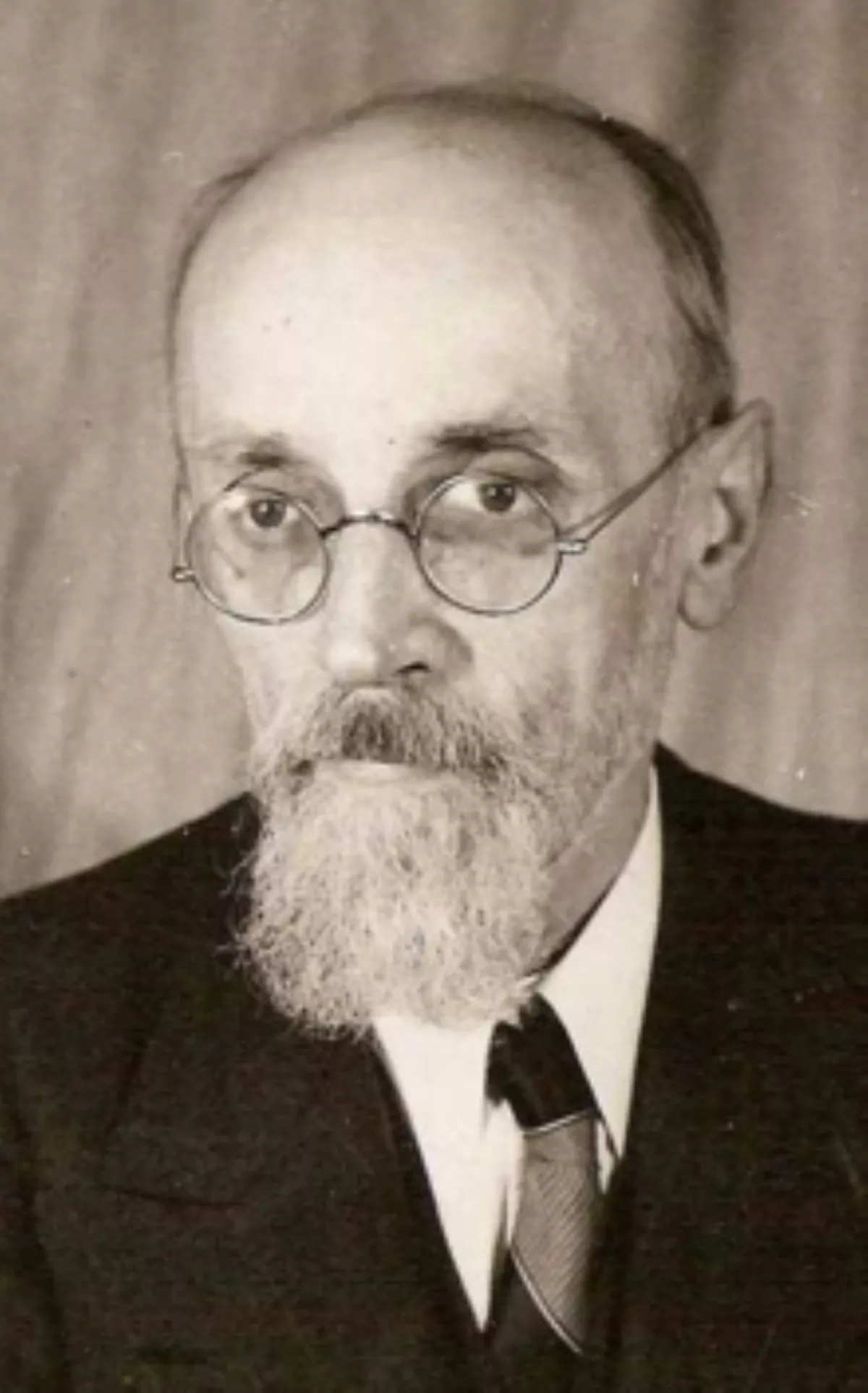
1. Francisque Gay was a French editor, politician and diplomat.
 1.
1. Francisque Gay was a French editor, politician and diplomat.
Francisque Gay was committed to the Catholic Church and to Christian democracy.
Francisque Gay ran the Bloud et Gay publishing house for many years, and edited the influential journals La Vie Catholique and l'Aube.
Francisque Gay helped publish clandestine journals during the German occupation of France in World War II.
Francisque Gay was born on 2 May 1885 in Roanne, Loire, son of a plumbing contractor.
Francisque Gay was educated by the Marists of Charlieu, then by the Lazarists of Lyon.
In 1903, when he was aged 18, Gay helped at the national congress of the Cercles d'etudes in Lyon.
Francisque Gay went to Paris to visit Sangnier at his home on the boulevard Raspail and to offer his help with Le Sillon.
Francisque Gay was deeply influenced by Sangnier's views on Social Catholicism, and founded a branch of Le Sillon in Roanne.
Francisque Gay became more deeply involved in Catholicism, and in 1905 entered the Major Seminary of Francheville.
Francisque Gay left when the seminary closed in December 1906 and moved to Paris, where he studied at the Sorbonne faculty of letters.
Francisque Gay then moved to Montpellier where he was accepted as an English teacher by a religious college.
Francisque Gay had met one of the owners, Edmond Bloud, through Le Sillon.
On 1 January 1927 the Pope sent a telegram to Francisque Gay thanking him for the courage of La Vie catholique.
In 1927 Francisque Gay founded the Volontaires du Pape to disseminate Social Catholicism throughout Europe, and arranged a large pilgrimage to Rome with this organization in 1929.
Francisque Gay founded L'Almanach catholique, then in 1932 L'Aube.
Francisque Gay became active in the French Resistance, using the Lyon and Paris premises of his publishing house as a base.
Francisque Gay helped publish the clandestine reviews La France continue and Les cahiers politiques.
Also in November 1944 Francisque Gay was appointed to the Provisional Consultative Assembly and was made a member of the committees on National Education and on Information and Propaganda.
Francisque Gay was appointed head of the Press department of the Ministry of Information.
Francisque Gay was elected to the first National Constituent Assembly on the MRP platform for the first district of the Seine.
Francisque Gay voted against the draft constitution of 19 April 1946.
Francisque Gay was reelected to the second National Constituent Assembly and voted for the draft constitution of 28 September 1946, which was ratified by a popular referendum.
Francisque Gay was Minister of State from 21 November 1945 to 26 January 1946 in the cabinet of Charles de Gaulle.
Francisque Gay was Vice-President of the Council from 26 January 1946 to 24 June 1946.
Francisque Gay was again Minister of State from 24 June 1946 to 16 December 1946 in the cabinet of Georges Bidault.
Francisque Gay was ambassador to Canada from April 1948 to October 1949.
Francisque Gay felt that the MRP was too conservative, particularly on colonial issues.
Francisque Gay did not stand for reelection in July 1951, but returned to his publishing business, Francisque Gay sold this business in 1954 to Desclee et Cie.
Francisque Gay died in Paris on 23 October 1963 after suffering a heart attack.