 1.
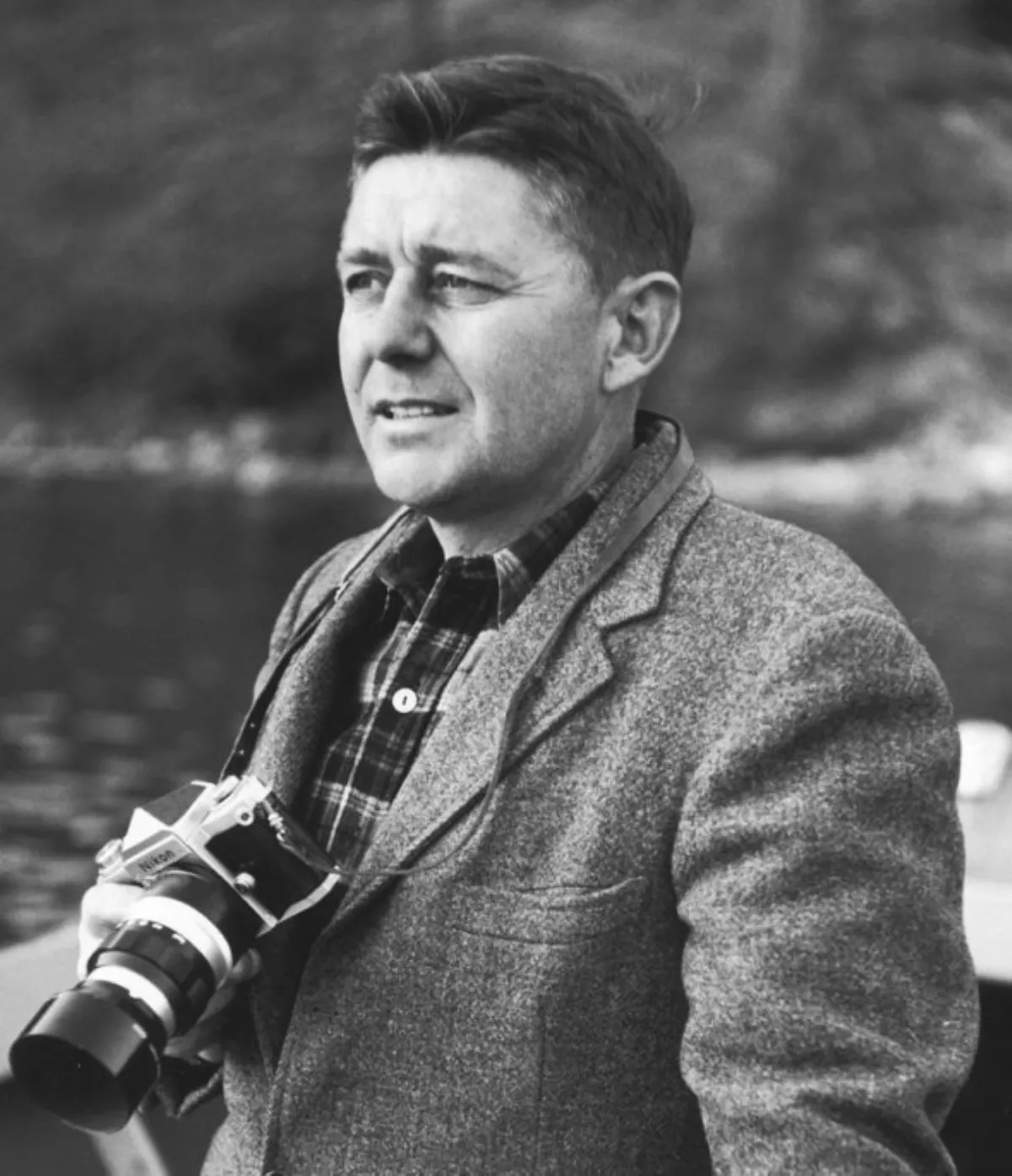
1. George Silk was a New Zealand-born Australian photojournalist.
 1.
1. George Silk was a New Zealand-born Australian photojournalist.
George Silk served as a photojournalist for Life for 30 years.
George Silk left school at the age of 14 and worked in camera shop at 16.
George Silk's career as a war photographer began in 1939, when he was a combat cameraman for the Australian government, covering action in the Middle East, North Africa and Greece.
George Silk worked for Life magazine from 1943 to 1972.
George Silk covered the war on the Italian front, the Allied invasions of France and the Pacific.
In New Guinea, George Silk walked 300 miles with the Allied forces, an ordeal later described in the book War in New Guinea.
George Silk was with US forces in the Battle of the Bulge in 1944 and was wounded by a grenade during a river crossing in Germany.
George Silk took the first photographs of Nagasaki, Japan, after the atomic bomb was dropped there on 9 August 1945, as well as Japanese war criminals awaiting trial in post-war Tokyo.
George Silk's expertise included sailing and once shot the America's Cup races atop a 90-foot mast.
In December 1972, George Silk was in Nepal, shooting an assignment on Himalayan game parks, when he received news that the magazine had folded.
In 1961, George Silk was chosen as one of 50 outstanding Americans of meritorious performance in the fields of endeavour, to be honoured as a Guest of Honor to the first annual Banquet of the Golden Plate in Monterey, California.
George Silk was named magazine photographer of the year four times by the National Press Photographers Association.
George Silk became a US citizen in 1947 and married Margery Gray Schieber on 22 November 1947 at San Gabriel, California, USA.
George Silk died in Norwalk, Connecticut on 23 October 2004 due to congestive heart failure.