 1.
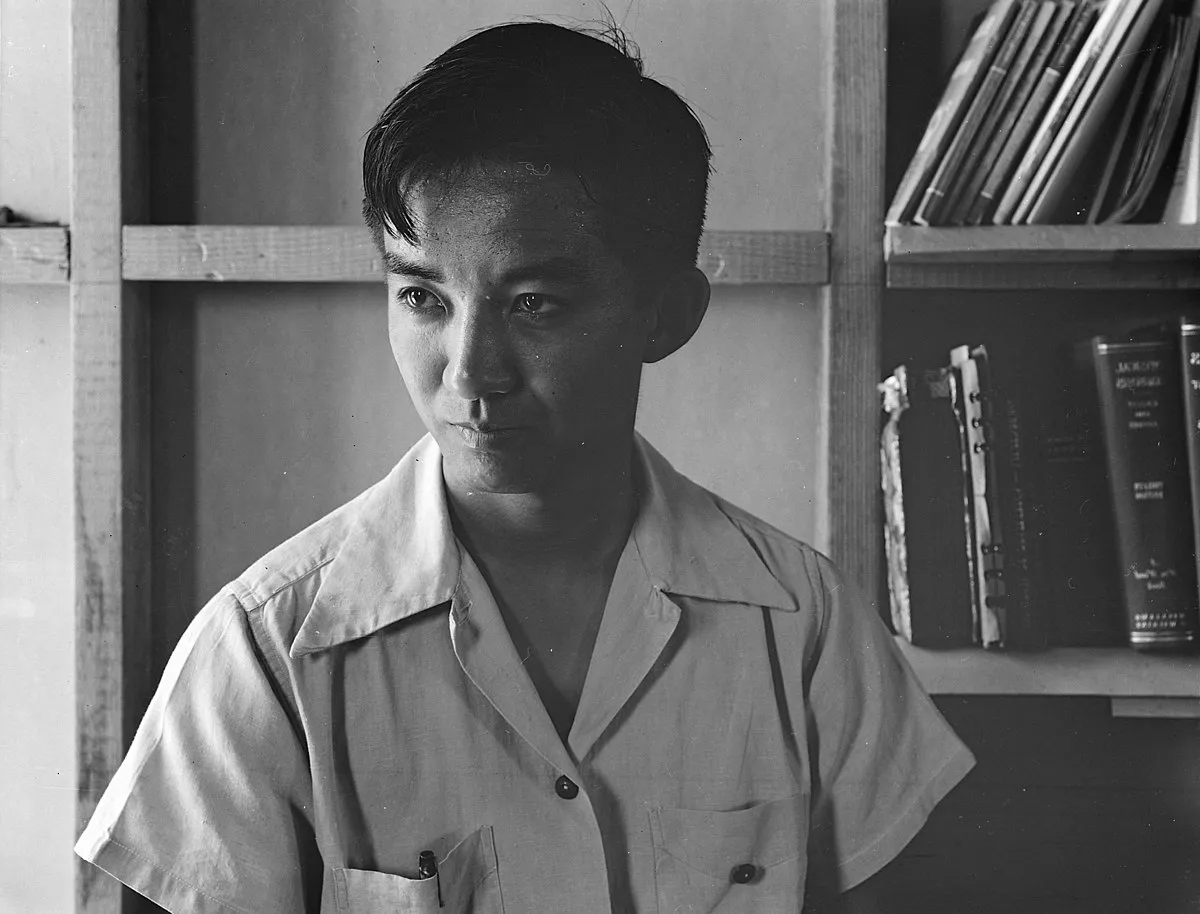
1. Harvey Akio Itano was an American biochemist best known for his work on the molecular basis of sickle cell anemia and other diseases.
 1.
1. Harvey Akio Itano was an American biochemist best known for his work on the molecular basis of sickle cell anemia and other diseases.
In collaboration with Linus Pauling, Itano used electrophoresis to demonstrate the difference between normal hemoglobin and sickle cell hemoglobin; their 1949 paper "Sickle Cell Anemia, a Molecular Disease" was a landmark in both molecular medicine and protein electrophoresis, though the use of electrophoresis to separate hemoglobin variants had been pioneered by Maud Menten and collaborators some years earlier.
In 1979, Itano became the first Japanese American elected to the United States National Academy of Sciences.
Harvey Itano was an emeritus professor of pathology at the University of California, San Diego.
In 2010, Harvey Itano died of complications from Parkinson's disease in La Jolla, California.
Harvey Itano attended the University of California, Berkeley where he was valedictorian of the Class of 1942.
However, due to Executive Order 9066, Harvey Itano missed commencement in Berkeley after he and his family were sent to the Tanforan Assembly center, prior to being sent to the Tule Lake internment camp.
Harvey Itano then went to graduate school at the California Institute of Technology, where he received doctorates in chemistry and physics in 1950.
Harvey Itano used an apparatus designed by Stanley M Swingle, a variation on the original apparatus of electrophoresis pioneer Arne Tiselius.
Harvey Itano found that, under certain conditions, sickle cell hemoglobin is positively charged while normal hemoglobin is not, creating a difference in electrophoretic mobility.