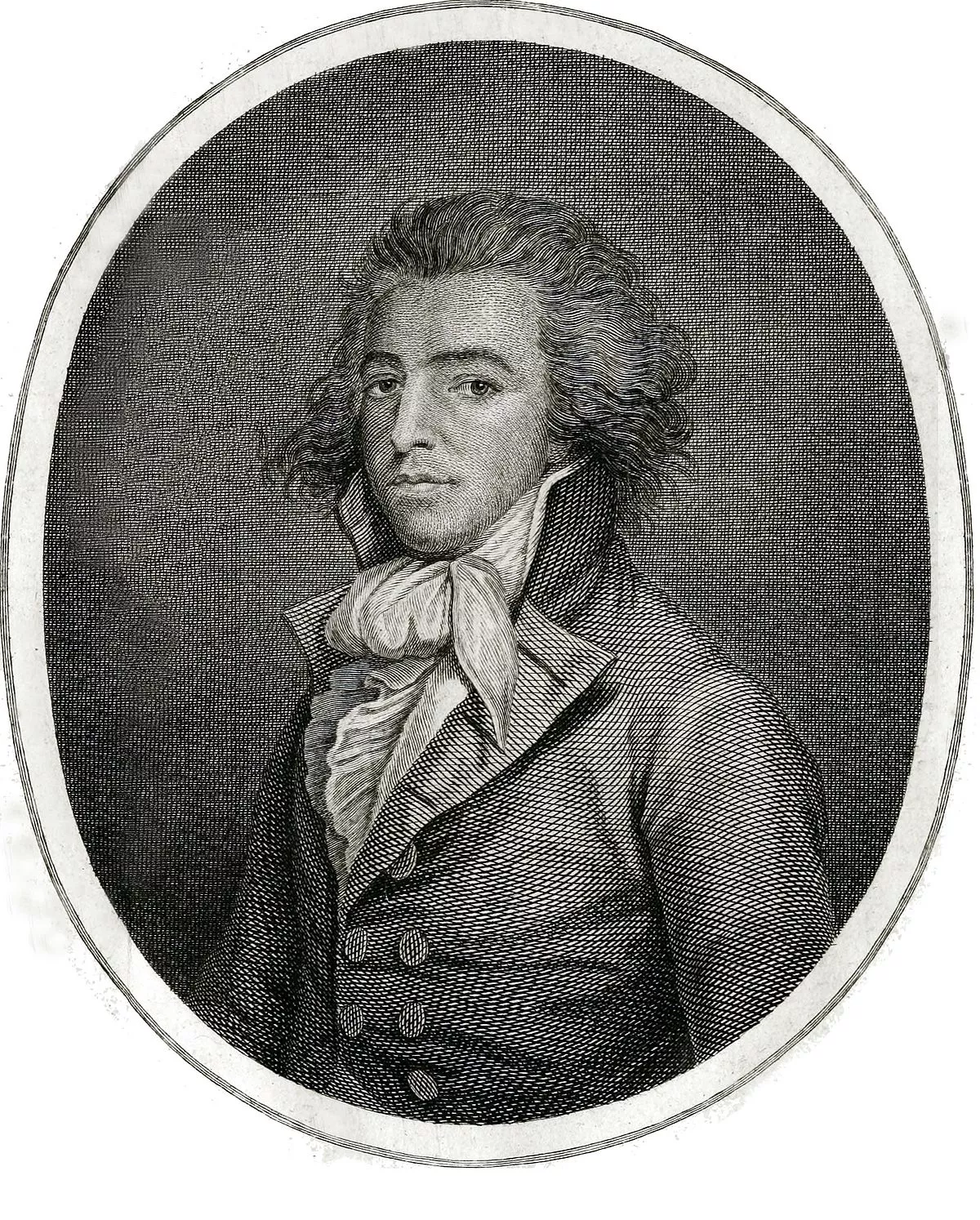
 1.
1. In 1771, John Meares joined the Royal Navy as a captain's servant and was commissioned a lieutenant in 1778.
 1.
1. In 1771, John Meares joined the Royal Navy as a captain's servant and was commissioned a lieutenant in 1778.
John Meares did not license his ships with the East India Company and instead tried to conceal the illegal activity by using the flag of Portugal.
John Meares registered his ships in Macau, a Portuguese colony in China.
John Meares gave Dixon his bond never to trade in the Northwest again, and returned to China by way of the Sandwich Islands.
In 1788, and in total violation of what he had told Dixon, John Meares started a new expedition with two vessels and more false papers.
John Meares later claimed that Maquinna, a chief of the Nuu-chah-nulth people, sold him some land on the shore of Friendly Cove in Nootka Sound, in exchange for some pistols and trade goods, and that on this land some kind of building was erected.
John Meares took Tianna to Guangzhou, China, where Meares found a Hawaiian woman by the name of Wynee, who had been left there by captain Charles William Barkley of the Imperial Eagle.
Later, John Meares gained possession of Barkley's nautical gear and his journal.
John Meares instructed Colnett to establish a permanent fur trading post at Nootka Sound based on the foothold accomplished by John Meares the year before.
The vessels of John Meares' company were all seized on the grounds of violating Spanish rights of trade and navigation on the coast.
John Meares submitted a report to the Home secretary William Wyndham Grenville, in which he exaggerated the permanence of his settlement in Nootka Sound and the financial losses sustained by his company.
In 1790, John Meares published Voyages Made in the Years 1788 and 1789, from China to the North West Coast of America in 1790.
John Meares's vision required a loosening of the monopolistic power of the East India Company and the South Sea Company, which between them controlled all British trade in the Pacific.
Nonetheless, John Meares' claims formed a basis for negotiation of British title to Oregon and British Columbia.
John Meares apparently considered Bath his home after his retirement from the Navy, and according to his "last will and testament" he owned property in Jamaica.
John Meares's will listed no spouse or child, but a brother and sister were among the beneficiaries.