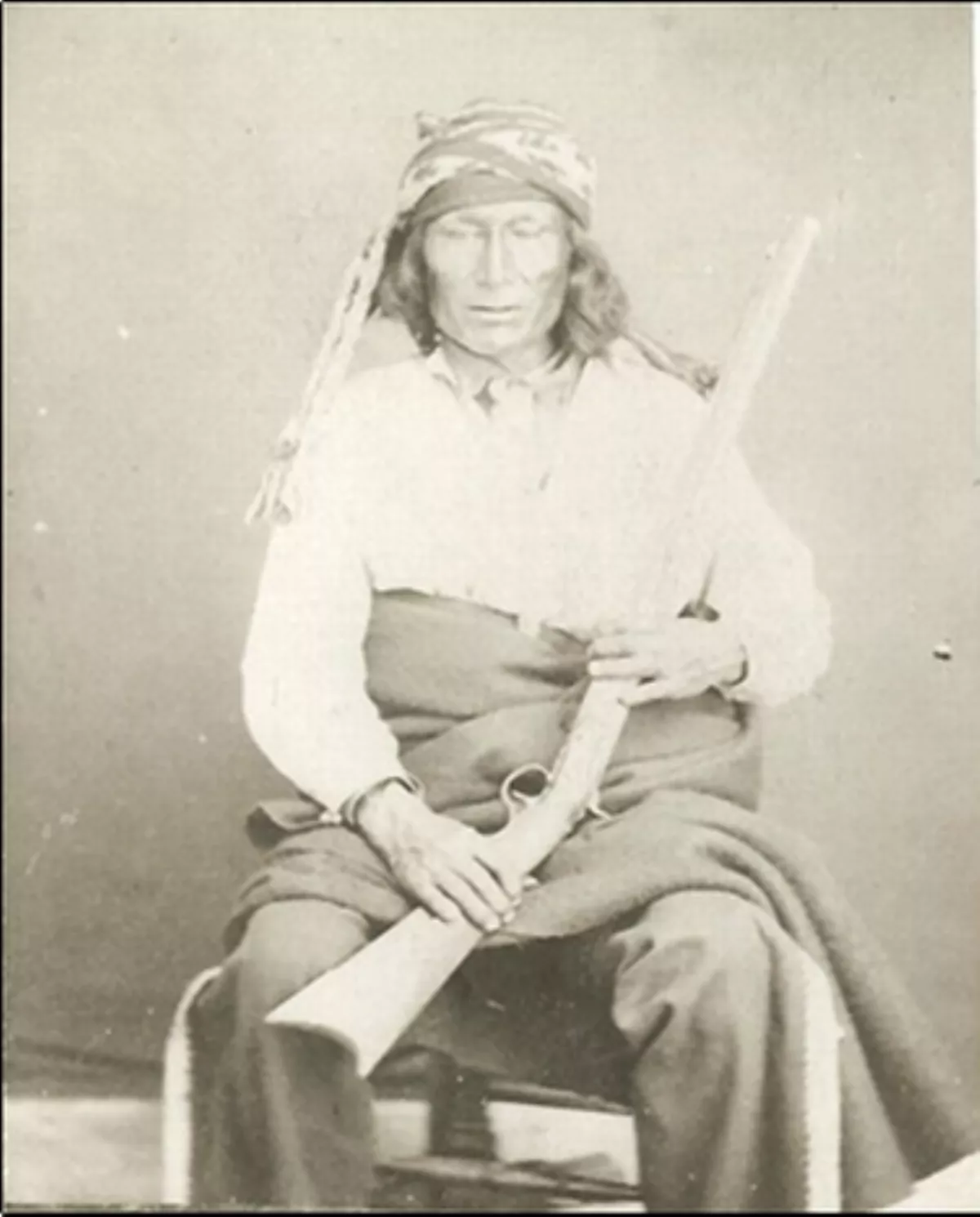
 1.
1. Kill Eagle gained prominence through one of the "soldiers societies".
 1.
1. Kill Eagle gained prominence through one of the "soldiers societies".
Kill Eagle signed the Treaty of 1868 at Fort Rice, agreeing to settle his band on the Great Sioux Reservation.
Concerned that rations were not sufficient to feed his people, Kill Eagle illegally departed Standing Rock in May 1876 with approximately 26 lodges, heading out on a buffalo hunt.
The remainder of Kill Eagle's band remained at Standing Rock under the leadership of Red Hawk.
The lodges with Kill Eagle successfully killed buffalo but then inadvertently ended up in the main Indian non-treaty Indian village that had gathered for the annual sundance.
Kill Eagle was abused when he refused to join in the fight against the army at the Battle of the Rosebud and he appears to have stayed out of the fighting at the Battle of the Little Bighorn.
Kill Eagle was interviewed by army officers about the Little Bighorn and his comments were widely reported in the press, one of the first native perspectives of Custer's defeat.
Kill Eagle gave information for one of the earliest maps of the battleground.
Kill Eagle was again recognized as band leader for the Wazhazha in 1877 and he remained at Standing Rock for the remainder of his life.
Kill Eagle's own family included his wife, First Born, and three daughters named Medicine Woman, Foolish Woman and Pretty Face.
Kill Eagle had four horses, five cows, two dogs and twelve chickens.
Kill Eagle disappeared from the census and rations records in 1885, suggesting that he died sometime during that year.