 1.
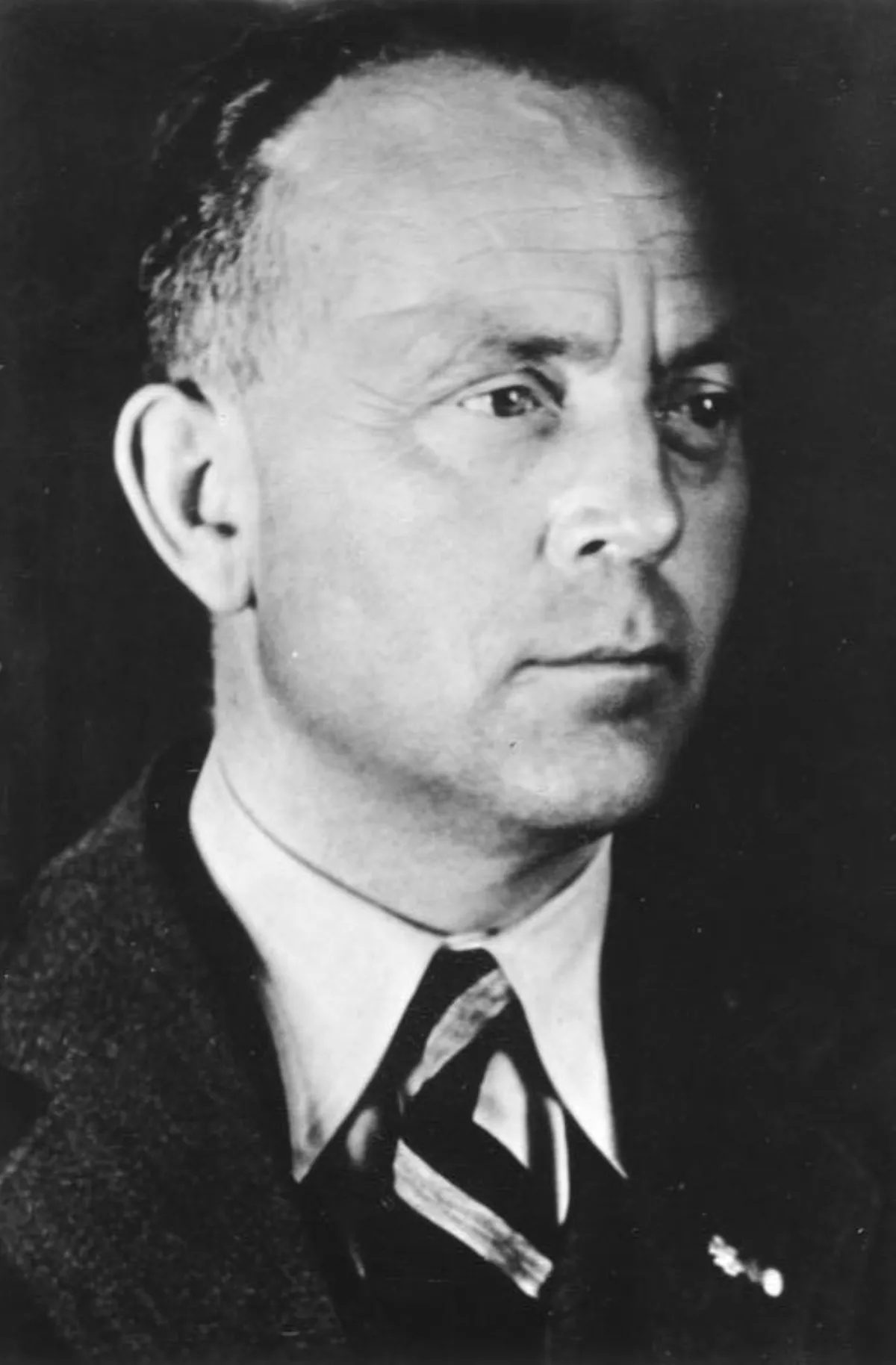
1. Kurt Waldemar Tank was a German aeronautical engineer and test pilot who led the design department at Focke-Wulf from 1931 to 1945.
 1.
1. Kurt Waldemar Tank was a German aeronautical engineer and test pilot who led the design department at Focke-Wulf from 1931 to 1945.
Kurt Tank was responsible for the creation of several important Luftwaffe aircraft of World War II, including the Fw 190 fighter aircraft, the Ta 152 fighter-interceptor and the Fw 200 Condor airliner.
Kurt Tank was born in Bromberg, Province of Posen in present-day Poland.
Kurt Tank's grandfather was a cavalry sergeant in the Uhlans and his father, Willi Tank, was a grenadier sergeant in the 3rd Division.
When World War I broke out Kurt Tank wished to join the Deutsches Heer's then-named Fliegertruppe air service, but his father insisted he instead follow the family tradition and enlist in the cavalry or the infantry.
Kurt Tank moved to the firm Albatros Flugzeugwerke, where he worked as a test pilot.
Kurt Tank then started work on the design of the Fw 44 Stieglitz, a two-seat civilian biplane.
In 1936 Kurt Tank designed the Focke-Wulf Fw 200 Condor to a Deutsche Luft Hansa specification for air transport.
The Fw 190 Wurger, first flying in 1939 and produced from 1941 to 1945, was a mainstay Luftwaffe single-seat fighter during World War II, and Kurt Tank's most-produced and famous design.
Kurt Tank moved to Cordoba in central Argentina in late 1946, with many of his Focke-Wulf co-workers.
Kurt Tank reportedly recommended Ronald Richter, who proposed to power airplanes with nuclear energy, to the Argentine officials.
When President Juan Peron fell from power, the ex-Focke-Wulf team dispersed, with many, including Kurt Tank, moving to India.
Kurt Tank later joined Hindustan Aeronautics, where he designed the Hindustan Marut fighter-bomber, the first military aircraft constructed in India.
Kurt Tank left Hindustan Aeronautics in 1967 and by the 1970s, he had returned to live in West Berlin, basing himself in Germany for the rest of his life.