 1.
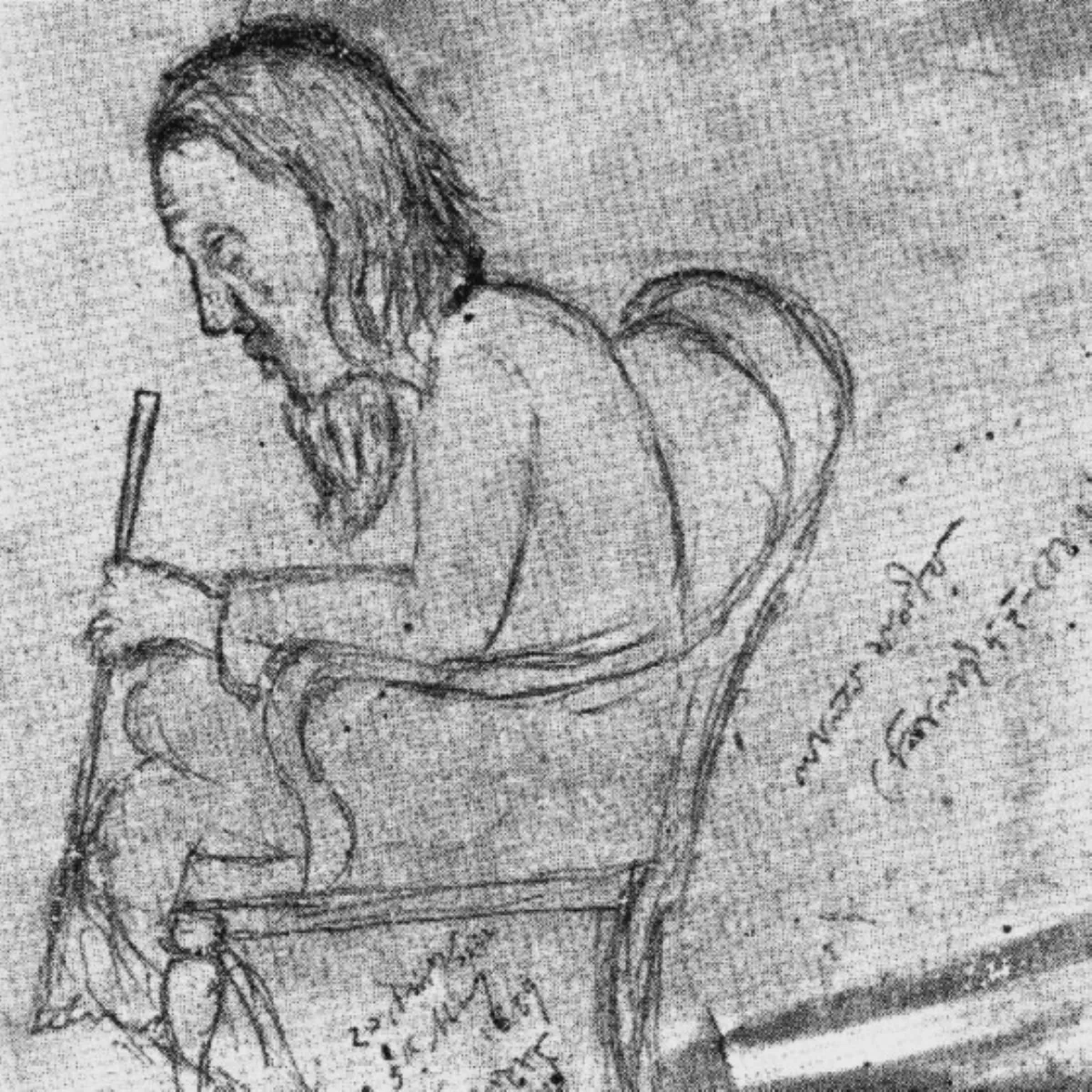
1. Lalon founded the institute known as Lalon Akhra in Cheuriya, about 2 kilometres from Kushtia railway station in southwestern Bangladesh.
 1.
1. Lalon founded the institute known as Lalon Akhra in Cheuriya, about 2 kilometres from Kushtia railway station in southwestern Bangladesh.
In 2004, Lalon was ranked 12 in BBC's poll of the Greatest Bengali of all time.
Lalon lived within the zamindari of the Tagores in Kushtia and had visited the Tagore family.
Lalon died at Chheuriya on 17 October 1890 aged 118.
Lalon was buried at the middle of his dwelling place known as his Akhra.
Researchers note that Lalon was a close friend of Kangal Harinath, one of the contemporary social reformers and a disciple of Lalon.
Lalon was against religious conflict and many of his songs mock identity politics that divide communities and generate violence.
Lalon even rejected nationalism at the apex of the anti-colonial nationalist movements in the Indian subcontinent.
Lalon did not believe in classes or castes, the fragmented, hierarchical society and took a stand against racism.
Lalon believed in the power of music to alter the intellectual and emotional state in order to be able to understand and appreciate life itself.
Lalon appropriated various philosophical positions emanating from Hindu, Jainist, Buddhist and Islamic traditions, developing them into a coherent discourse without falling into eclecticism or syncretism.
Lalon explicitly identified himself with the Nadiya school, with Advaita Acharya, Nityananda and Chaitanya.
Lalon was greatly influenced by the social movement initiated by Chaitanya against differences of caste, creed and religion.
Lalon's songs reject any absolute standard of right and wrong and show the triviality of any attempt to divide people whether materially or spiritually.
Lalon composed numerous songs and poems, which describe his philosophy.
Lalon left no written copies of his songs, which were transmitted orally and only later transcribed by his followers.
Lalon was observant of social conditions and his songs spoke of day-to-day problems in simple yet moving language.
Lalon's philosophy was expressed orally, as well as through songs and musical compositions using folk instruments that could be made from materials available at home; the ektara and the duggi.
Songs of Lalon were mainly confined to the baul sects.
Lalon has been portrayed in literature, film, television drama and in the theatre.
The first biopic of Lalon titled Lalon Fakir was directed by Syed Hasan Imam.