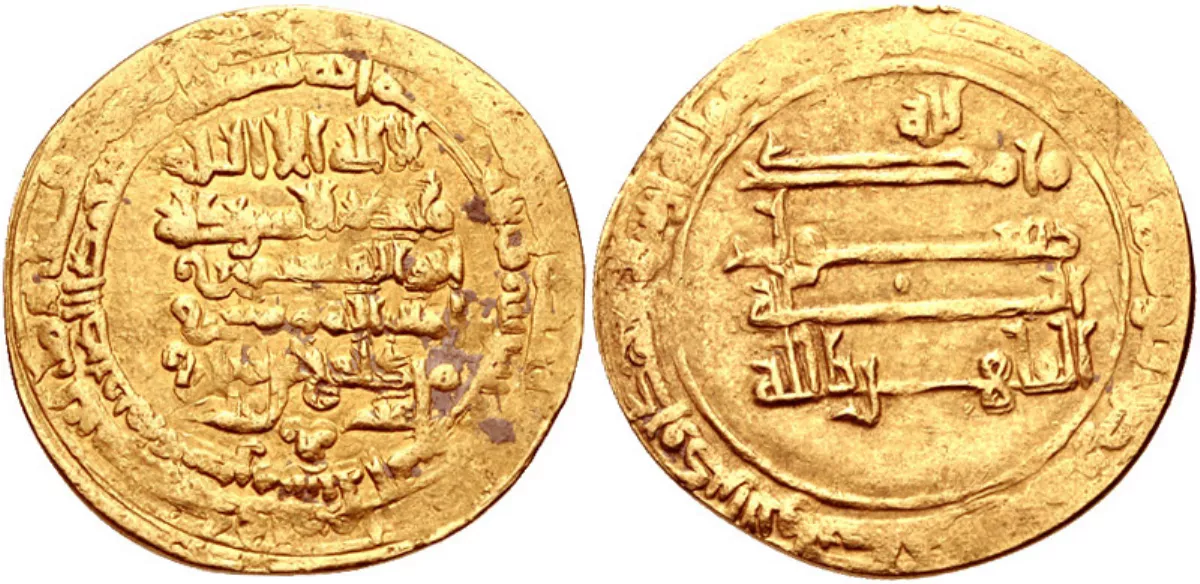
 1.
1. Mardavij was an Iranian prince, who established the Ziyarid dynasty, ruling from 930 to 935.
 1.
1. Mardavij was an Iranian prince, who established the Ziyarid dynasty, ruling from 930 to 935.
Mardavij first started his career by joining the army of his kinsman Asfar ibn Shiruya.
Mardavij later betrayed and killed him, conquering much of Jibal.
Mardavij then set out to conquer Hamadan, Dinavar and Isfahan from the Abbasid Caliphate, and thereafter declared himself king of Iran, making Isfahan his capital.
Mardavij then defeated the Daylamite military leader Makan ibn Kaki, and conquered Tabaristan in 932.
Mardavij's mother was a sister of Harusindan, a Gilaki ruler.
Mardavij belonged to the Arghich tribe, which claimed to be descended from Arghush Farhadan, king of Gilan who lived during the time of Kay Khosrow.
Mardavij grew up in an environment where memories of the glories of the Iranian Empire were alive in the Iranian culture.
Mardavij was one of the many Gilaki leaders that entered into the service of the Alids, once they had established their rule over Tabaristan, Gilan, and Daylam.
Around 913, Mardavij joined the army of Asfar ibn Shiruya of Lahijan, who served the Zaydids of Tabaristan.
Mardavij thus founded the Ziyarid dynasty and became ruler of Asfar's former territories, which included Ray, Qazvin, Zanjan, Abhar, Qom and Karaj.
Mardavij is said to have worn a "crown of Anushirvan" at his court.
In 931, Mardavij sent an army against Makan, but the latter defeated Mardavij's forces in a first engagement in 931.
Mardavij then began quickly capturing the Abbasid cities of Hamadan, Dinavar, and Kashan, and finally, Isfahan, which became his capital.
Mardavij then appointed his brother Vushmgir as the governor of Amol.
Mardavij planned to conquer Baghdad, remove the caliphate, be crowned in Ctesiphon and restore the Iranian empire.
Not long afterwards Mardavij granted Ali administrative rule over Karaj, a strategically important town probably situated near modern Bahramabad.
In 933, Mardavij made peace with the Samanid ruler Nasr II; Mardavij agreed to cede Gurgan to the Samanids and pay tribute for his possession of Ray.
Mardavij then began to focus on western Iran, where his troops managed to conquer as far as Ahvaz, and forced Ali, who was now in Shiraz, to acknowledge his authority.
Mardavij then had a golden throne with jewels, a tunic, and a golden crown made.
Mardavij's crown was reportedly the same shape of the crown of the Sasanian king Khosrow I He had a few silver thrones made for his best generals.
Mardavij was buried in Gonbad-e Mardaviz, a place located in the north east of Amin Abbad Borough in the city of Rey, south of Tehran.
Mardavij was one of the most notable figures in northern Iran known for preserving and advocating pre-Islamic Iranian customs.