 1.
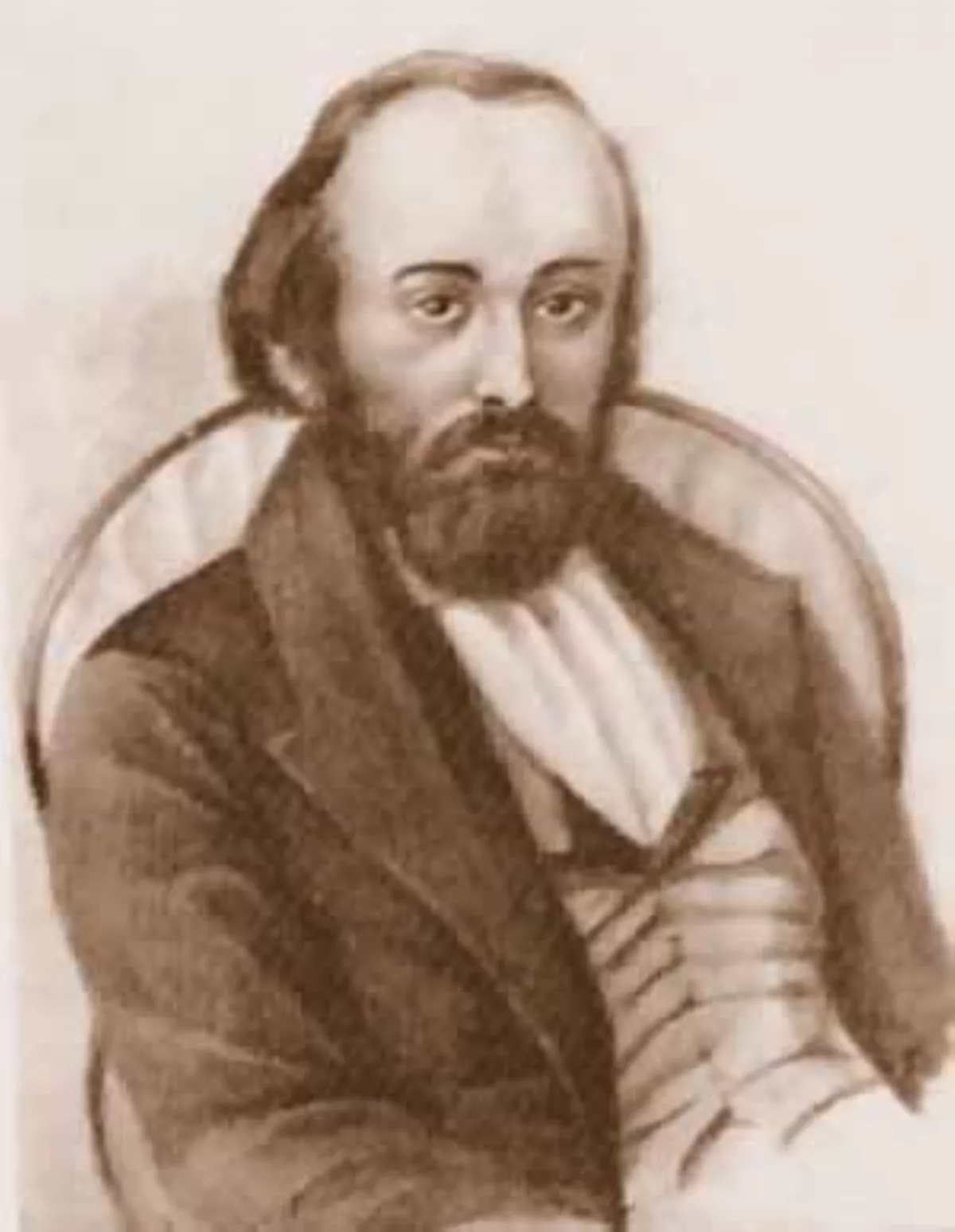
1. Mikhail Petrashevsky graduated from the Tsarskoye Selo Lyceum and Saint Petersburg State University with a degree in law.
 1.
1. Mikhail Petrashevsky graduated from the Tsarskoye Selo Lyceum and Saint Petersburg State University with a degree in law.
Mikhail Petrashevsky was then employed as a translator and interpreter at the Ministry of Foreign Affairs.
In 1844, Mikhail Petrashevsky's apartment became the venue for social gatherings of intellectuals, which from 1845 took place on a weekly basis.
In late 1848, Mikhail Petrashevsky took part in meetings, initiated by Speshnev, that were aimed at creating a secret society.
Mikhail Petrashevsky argued for judicial reform rather than violent methods, and did not participate in the activities of Speshnev's society.
In 1849, Mikhail Petrashevsky was arrested and sentenced to death.
Mikhail Petrashevsky was sent to Eastern Siberia to serve his sentence.
In 1856, Mikhail Petrashevsky's status was changed to that of an exile settler.
Mikhail Petrashevsky lived in Irkutsk, where he founded a newspaper, Amur, in 1860.
In February 1860, Mikhail Petrashevsky was banished to the Minusinsk district for speaking out against the abuse of power by local officials.
Mikhail Petrashevsky considered himself a follower of Charles Fourier and spoke for democratisation of the Russian political system and liberation of the peasantry with their lands.
Mikhail Petrashevsky advocated long preparatory work among the masses for revolutionary struggle.
Mikhail Petrashevsky summed this up by proclaiming: 'unable to find anything in either women or men worthy of my adherence, I have turned to devote myself to the service of humanity'.