 1.
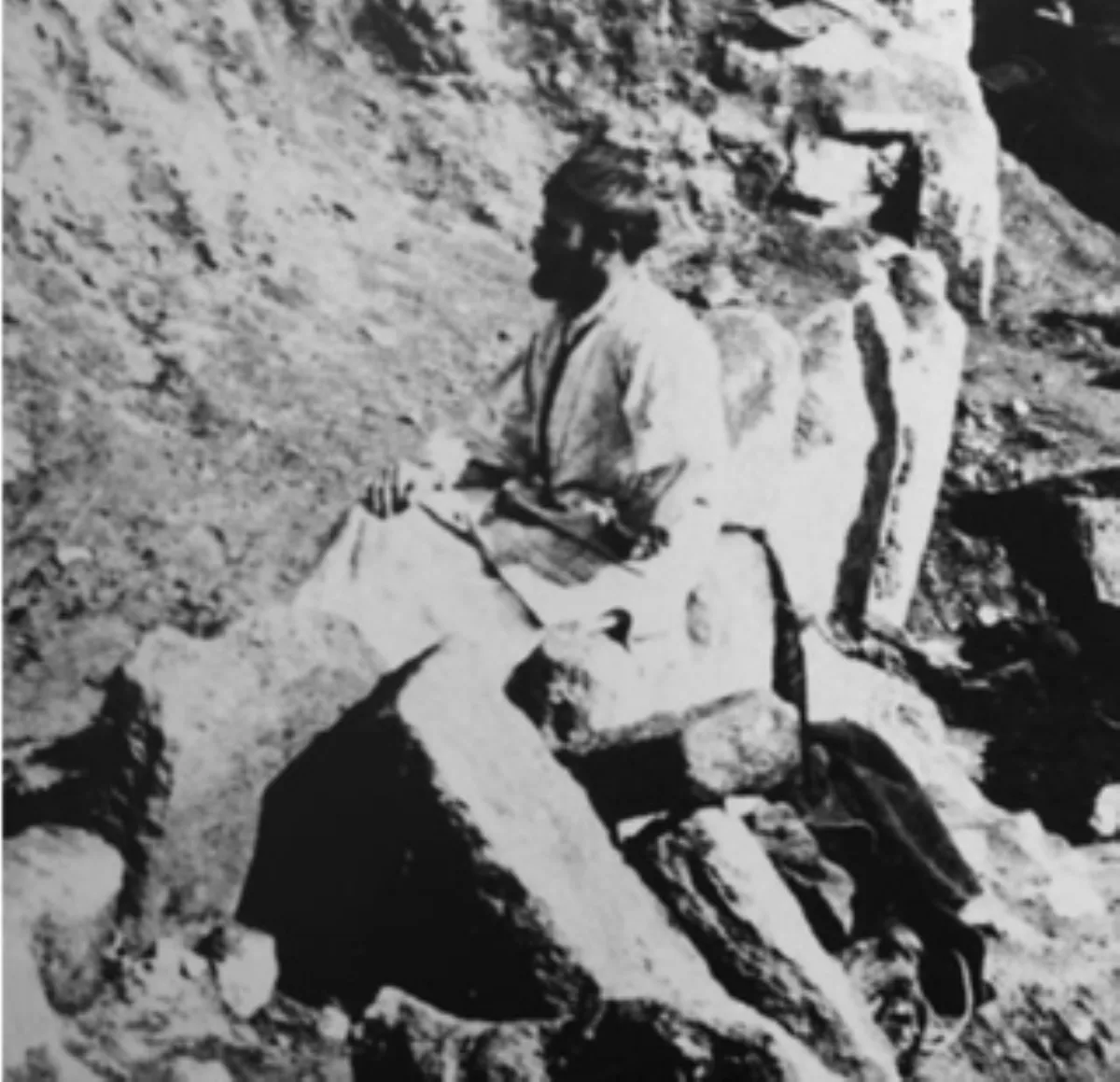
1. Panagiotis Stamatakis is noted particularly for his role in supervising the excavations of Heinrich Schliemann at Mycenae in 1876, and his role in recording and preserving the archaeological remains at the site.
 1.
1. Panagiotis Stamatakis is noted particularly for his role in supervising the excavations of Heinrich Schliemann at Mycenae in 1876, and his role in recording and preserving the archaeological remains at the site.
Panagiotis Stamatakis was hired as an employee of the Greek Ministry of Religious Affairs and Public Education in 1863, and recruited in 1866 as an assistant to Panagiotis Efstratiadis, the Ephor General of Antiquities leading the Greek Archaeological Service.
Panagiotis Stamatakis was particularly prolific in the region of Boeotia, where he excavated at Tanagra, at Chaeronea and Thespiai, and established the Archaeological Museum of Thebes.
Between 1876 and 1877, Panagiotis Stamatakis was deputised by Efstratiadis to represent the Greek government and the Archaeological Society at the excavations of Mycenae, which were being conducted by Heinrich Schliemann on the society's behalf.
Panagiotis Stamatakis was born in the village of Varvitsa in Laconia; his father's name was Antonios.
Panagiotis Stamatakis had no university education, and appears to have been largely self-taught in archaeology.
Panagiotis Stamatakis was on the island of Melos in 1864, where he met a tomb-robber surnamed Nostraki and moved a Roman-period stele excavated there by him to Athens, transcribing its inscription.
Panagiotis Stamatakis's excavations brought to light various funerary reliefs and inscriptions.
Panagiotis Stamatakis worked in the Aegean islands, producing the first archaeological maps of Delos and Mykonos.
Efstratiadis in turn stipulated that Panagiotis Stamatakis should serve as supervisor to the project, responsible for ensuring that Schliemann followed the terms of his permit and that the interests of the Greek state in preserving the antiquities were respected.
Panagiotis Stamatakis kept a daily diary of the excavations, and supplemented this with regular reports to his superiors in the Greek government and the Archaeological Society.
Schliemann's initial excavations took place around the Lion Gate and, when Panagiotis Stamatakis insisted that he stop removing material from around the gate until its structural integrity could be assessed, the Tomb of Clytemnestra.
When ordered to stop digging or slow down the work, both Heinrich and Sophia could be aggressive: on one occasion, Panagiotis Stamatakis reported to Athens that Heinrich had begun "to insult [him] coarsely", and that Sophia had "abuse[d] [him] in front of the workers, saying that [he] was illiterate and fit only to conduct animals".
Panagiotis Stamatakis would continue working at the site until January 1878, aiming both to head off any possibility of looting and to ensure that Schliemann's excavations were properly finished.
Panagiotis Stamatakis was responsible in this period for the safe transportation of the antiquities found at Mycenae to Athens, where they were stored, against Schliemann's protests, in the basement of the National Bank.
In June 1877, Panagiotis Stamatakis excavated two Mycenaean chamber tombs at Spata near Athens.
In 1883, Panagiotis Stamatakis excavated in Thespiai, uncovering 150 stone blocks which he took to be the seats from the city's theatre.
In 1884, on the retirement of Efstratiadis, Panagiotis Stamatakis was promoted to Ephor General.
Panagiotis Stamatakis was buried in the First Cemetery of Athens, in a tomb whose headstone was designed by Wilhelm Dorpfeld, a German architect and archaeologist who had assisted Schliemann with his excavations at Troy.
Some time afterwards the tomb was demolished, apparently because Panagiotis Stamatakis lacked any living descendants to whom ownership of it could be passed.