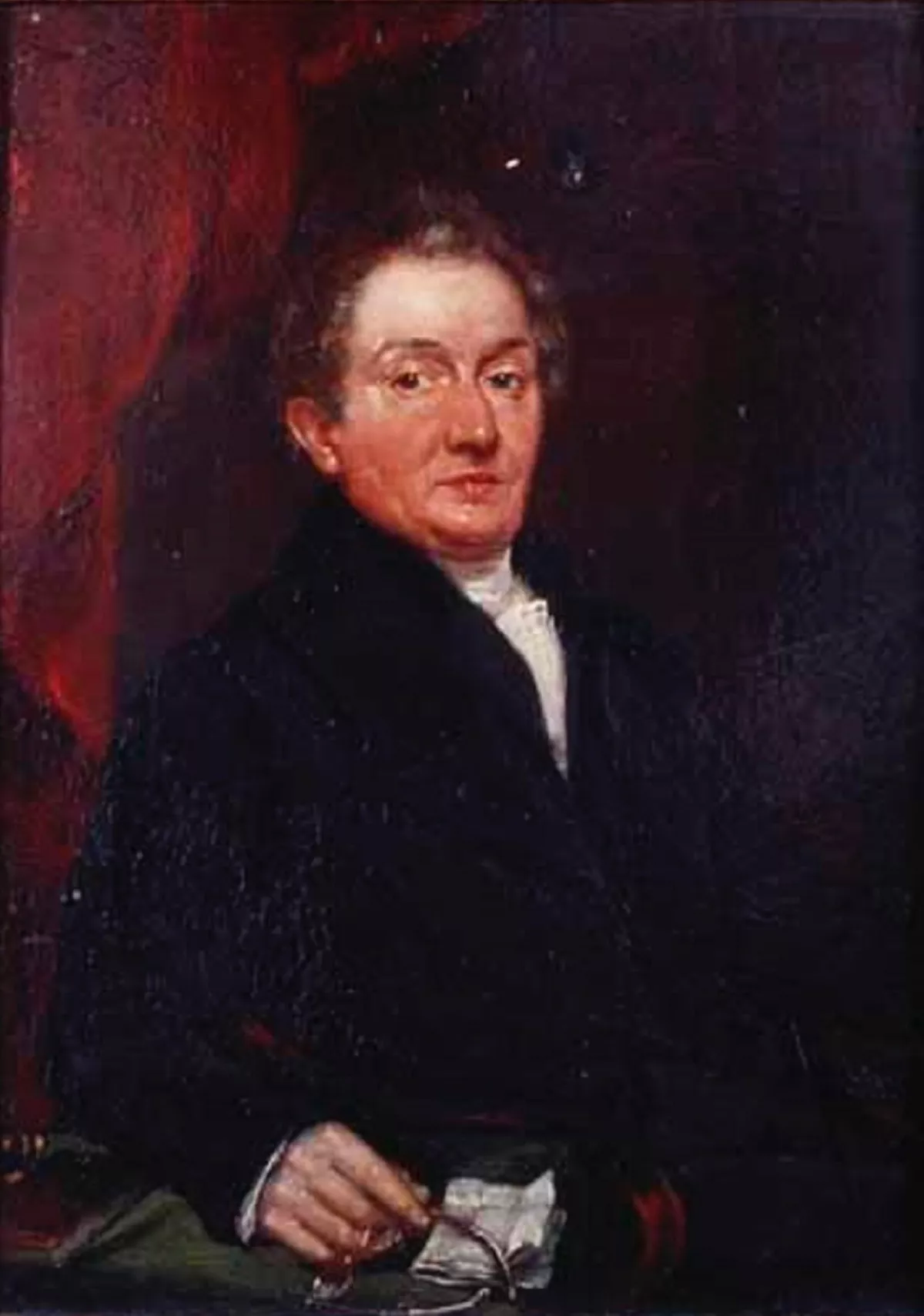
 1.
1. Paul Storr was an English goldsmith and silversmith working in the Neoclassical and other styles during the late eighteenth and early nineteenth centuries.
 1.
1. Paul Storr was an English goldsmith and silversmith working in the Neoclassical and other styles during the late eighteenth and early nineteenth centuries.
Paul Storr was England's most celebrated silversmith during the first half of the nineteenth century and his legacy lives on today.
Paul Storr quickly became the most prominent silversmith of the nineteenth century, producing much of the silver purchased by King George III and King George IV.
Paul Storr entered his first mark in the first part of 1792, which reflects his short-lived partnership with William Frisbee.
Paul Storr's first major work was a gold font commissioned by the Duke of Portland in 1797 and in 1799 he created the "Battle of the Nile Cup" for presentation to Lord Nelson.
Much of Paul Storr's success was due to the influence of Philip Rundell, of the popular silver retailing firm, Rundell, Bridge and Rundell.
Paul Storr married in 1801, Elizabeth Susanna Beyer of the Saxon family of piano and organ builders of Compton Street, by whom he had ten children.
Paul Storr retired in 1838, to live in Hill House in Tooting.
Paul Storr died 18 March 1844 and is buried in the churchyard of St Nicholas, Tooting.
Paul Storr's descendants include the artists Rex Whistler and Laurence Whistler, Rev Vernon Storr, Archdeacon of Westminster from 1931 to 1936, Rev Frank Utterton, Archdeacon of Surrey from 1906 to 1908, the academic Michael Lindsay, 2nd Baron Lindsay of Birker, and the obstetrician Sir Francis Champneys, 1st Baronet and his brothers Basil and Weldon.