 1.
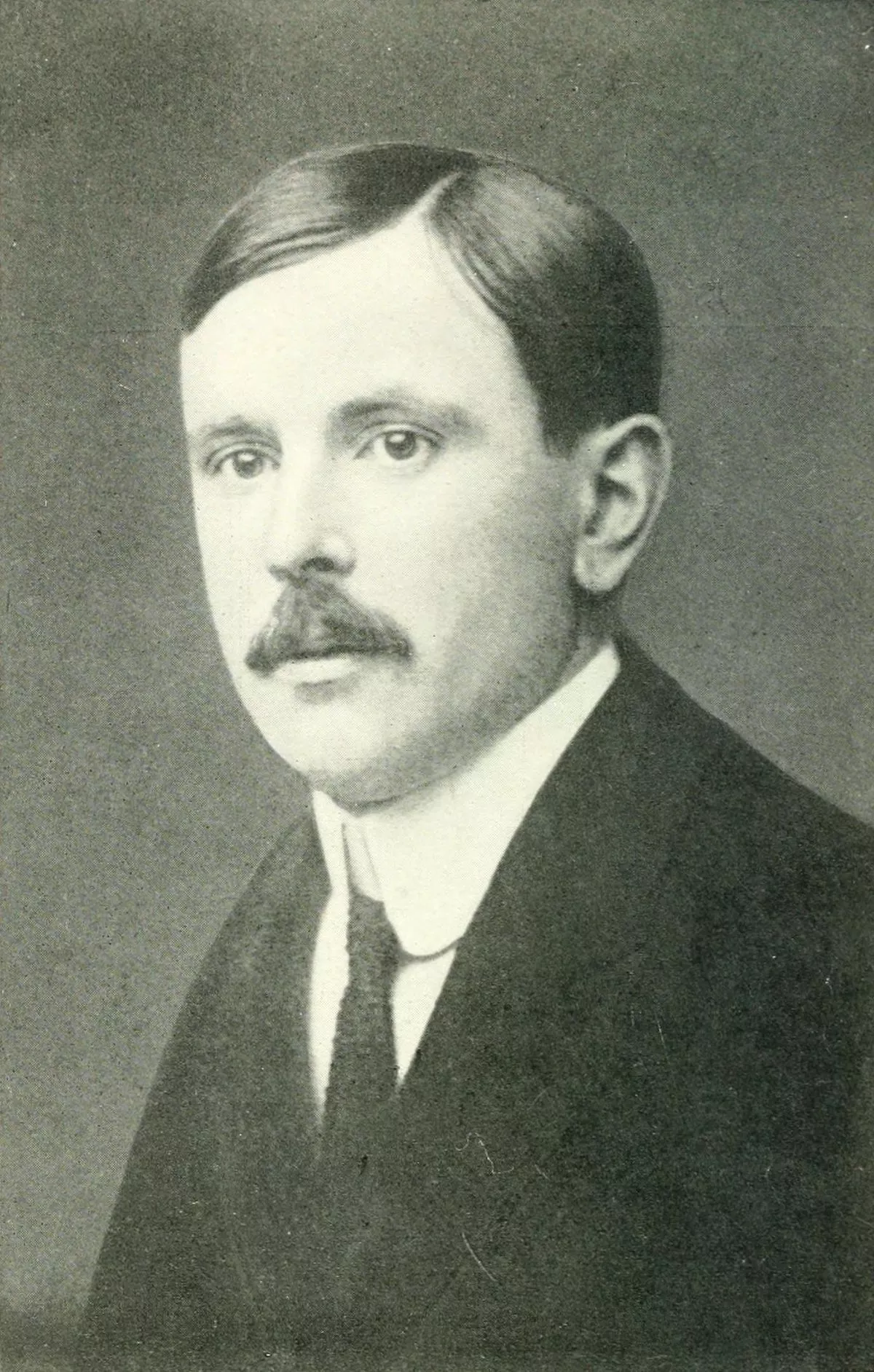
1. Robert Seton-Watson was the father of two eminent historians, Hugh, who specialised in 19th-century Russian history, and Christopher, who worked on 19th-century Italy.
 1.
1. Robert Seton-Watson was the father of two eminent historians, Hugh, who specialised in 19th-century Russian history, and Christopher, who worked on 19th-century Italy.
Robert Seton-Watson was educated at Winchester College and New College, Oxford, where he read modern history under the historian and politician Herbert Fisher.
Robert Seton-Watson became friends with the Vienna correspondent of The Times, Henry Wickham Steed, and the Czechoslovak philosopher and politician Tomas Masaryk.
Robert Seton-Watson argued in books and articles for a federal solution to the problems of the Austria-Hungary, then riven by the tensions between its ancient dynastic model and the forces of ethnic nationalism.
Robert Seton-Watson served as honorary secretary of the Serbian Relief Fund from 1914 and supported and found employment for his friend Masaryk after the latter fled to England to escape arrest.
Robert Seton-Watson assisted in the preparations for the Rome Congress of subject Habsburg peoples, held in April 1918.
Robert Seton-Watson was made an honorary citizen of Cluj in Transylvania, which had been incorporated into Romania despite the claims of Hungary and in 1920 was formally acclaimed by the Romanian Parliament.
Robert Seton-Watson had played a prominent role in establishing a School of Slavonic Studies in 1915, partly to provide employment for his then-exiled friend Masaryk, and in 1922, he was appointed there as the first holder of the Masaryk chair in Central European history, a post that he held until 1945.
In 1945, Robert Seton-Watson was appointed to the new chair of Czechoslovak Studies at Oxford University.
Robert Seton-Watson was president of the Royal Historical Society from 1946 to 1949.
In 1949, saddened by the new Soviet control of countries to whose independence he had devoted much of his life and by the death of his friend Edvard Benes, Czechoslovakia's last noncommunist leader before the end of the Cold War, Robert Seton-Watson retired to Kyle House on the Isle of Skye, where he died in 1951.