 1.
1. Shammuramat, known as Sammuramat or Shamiram and Semiramis, was a powerful queen of the Neo-Assyrian Empire.
 1.
1. Shammuramat, known as Sammuramat or Shamiram and Semiramis, was a powerful queen of the Neo-Assyrian Empire.
Shammuramat's origin is not clear; her name could equally likely be of West Semitic or East Semitic Akkadian origin.
All evidence suggests that Shammuramat was among the most renowned figures of her time.
Shammuramat was immortalized in later Persian, Levantine and Greco-Roman literary tradition as the legendary Assyrian warrior-queen and heroine Semiramis, a half-divine daughter of the Aramean goddess Atargatis and the wife of the fictional Ninus, the legendary and mythical founder of Nineveh and the Assyrian Empire.
Semiramis and Shammuramat are both still used as popular given names for girls among the Assyrian people today.
Shammuramat is more prominently attested in the reign of her son Adad-nirari III, when she reached an unusually prominent position.
In 2013, David Kertai suggested that Shammuramat's continued use of the title "queen" in her son's reign, the only certain Assyrian example of this, could indicate that she for a time was queen regnant.
In 2004, Sarah C Melville wrote that Shammuramat was "probably not" co-regent with her son but in 2014, she wrote that Shammuramat "possibly even acted as regent during the early years of her son's reign".
In 2012, Svard wrote that regardless of her formal position, Shammuramat was clearly an authoritative female figure who played an important role in running the empire, perhaps acting as a sort of pater familias after the death of Shamshi-Adad while her son was young.
The inscription on the stele ascribes the fighting activities themselves solely to Adad-nirari, anything else would not have been possible in Assyrian ideology, but the important activity of extending Assyrian territory and setting up the stele, otherwise a traditional privilege only of the king, is attributed to both Adad-nirari and Shammuramat, as indicated by a plural "they".
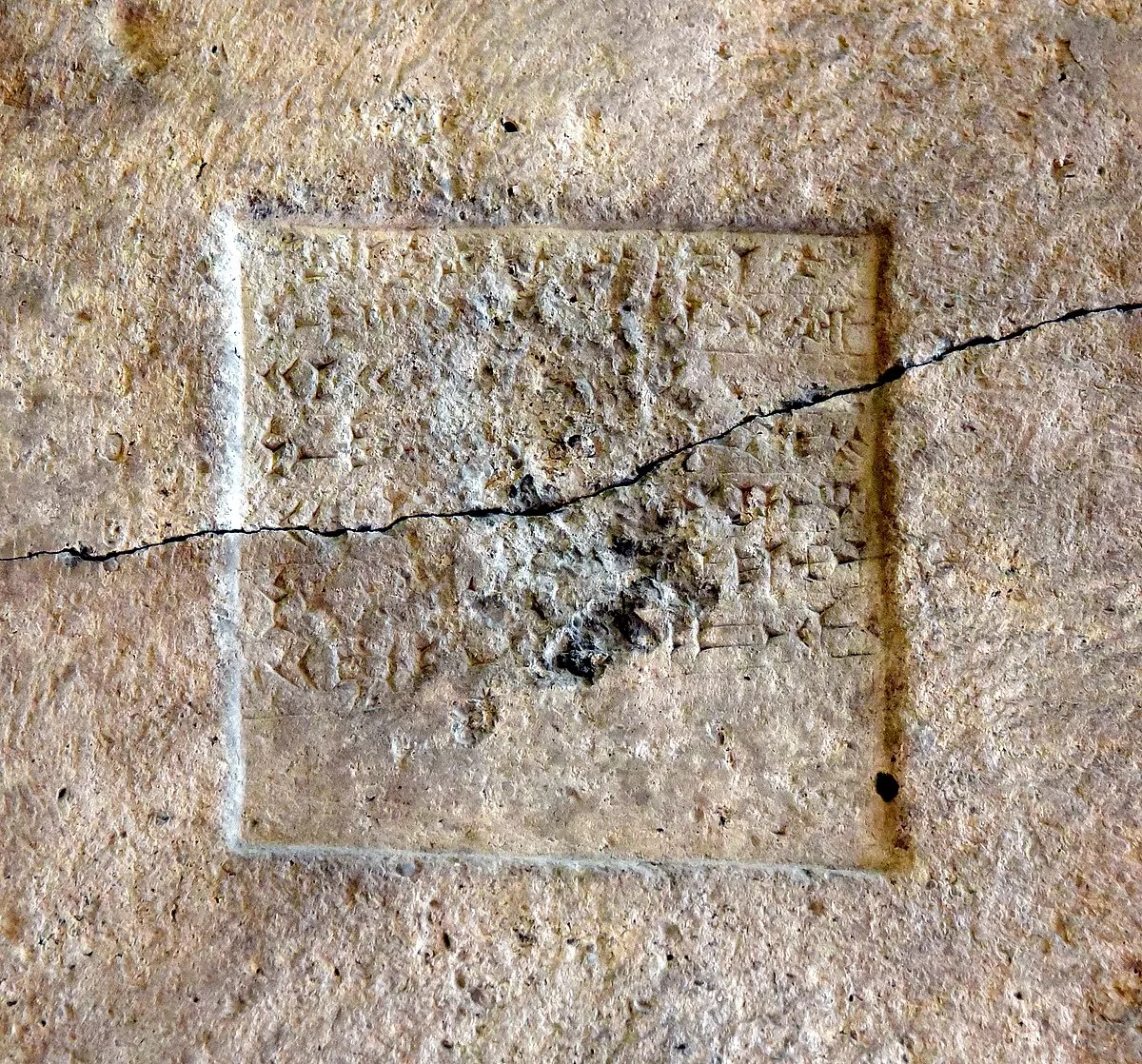
Shammuramat is mentioned in inscriptions on two identical statues from Kalhu, the Assyrian capital.
Older translations of the stele, such as a 1927 translation by Daniel David Luckenbill, suggested that Shammuramat ruled the empire for five years, from the death of her husband until 806 BC, as the text of the stele was interpreted as Adad-nirari stating that he "sat himself on the royal throne" and marched to Aramea only in 806 BC.
Shammuramat has long been recognized as the primary inspiration behind the legendary Assyrian warrior-queen and heroine Semiramis, though the Semiramis tradition likely draws some inspiration from several other real and mythological figures of the ancient Near East, such as the later Assyrian consorts Atalia and Naqi'a.
One of Adad-nirari's frequent foes was the Urartian king Argishti I, whose father Menua, a contemporary of Shammuramat, constructed a great canal which later on curiously at some point was named after Shammuramat as the Shamiram Canal.