 1.
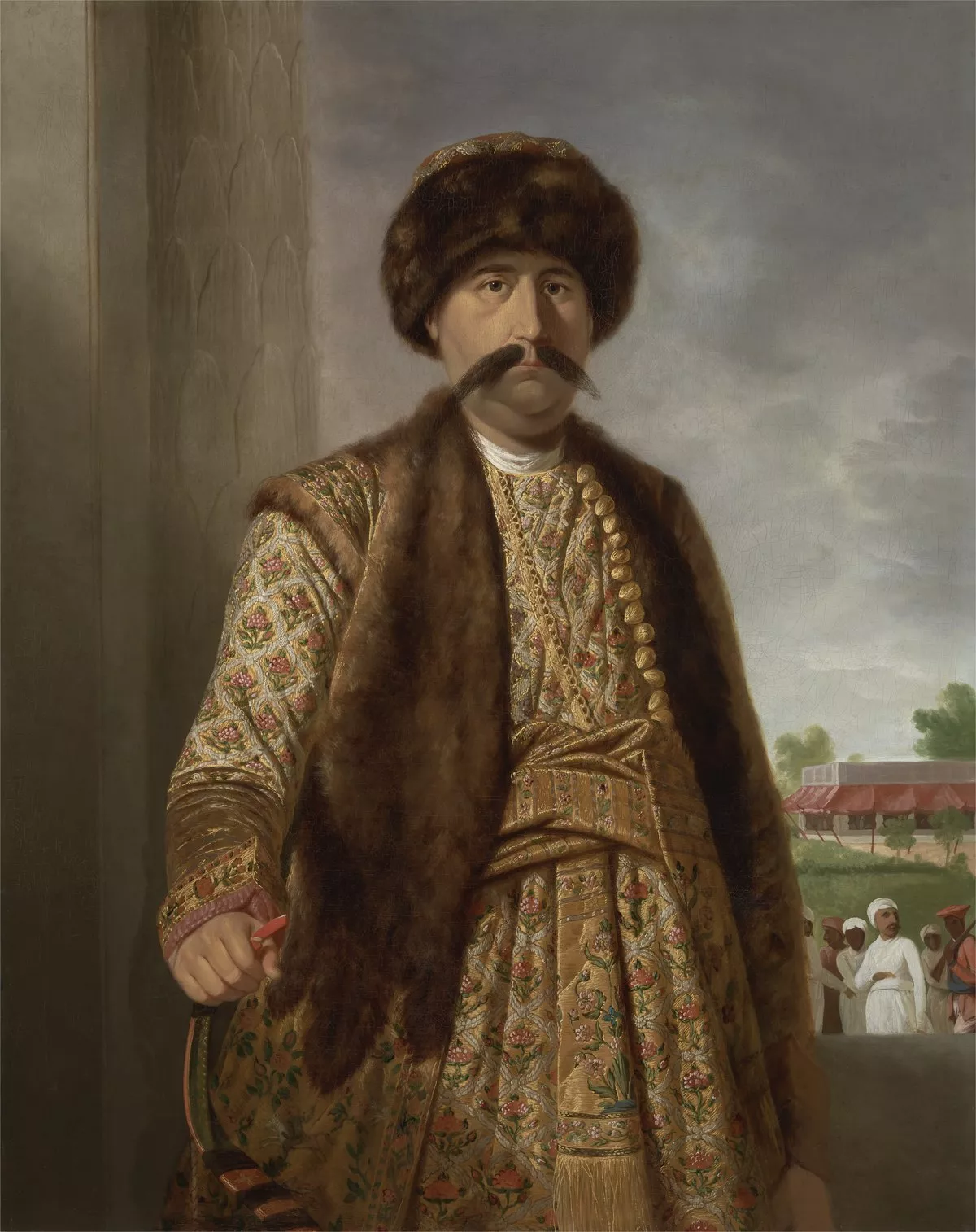
1. Shuja-ud-Daula was a key 18th-century Mughal ally who despised the Maratha-backed Imad-ul-Mulk.
 1.
1. Shuja-ud-Daula was a key 18th-century Mughal ally who despised the Maratha-backed Imad-ul-Mulk.
Shuja-ud-Daula supported Prince Ali Gauhar against Mughal usurpers and became Grand Vizier.
Shuja-ud-Daula's army, backed by influential clans and Shi'a migrants from Kashmir, was a major force in North India.
Shuja-ud-Daula was the son of the Mughal Grand Vizier Safdarjung, who was chosen by Emperor Ahmad Shah Bahadur.
Unlike his father Shuja-ud-Daula was known from an early age for his abilities to synthesize his subordinates; this skill would eventually cause him to emerge as the chosen Grand Vizier of Shah Alam II.
Shuja-ud-Daula is known to have assisted Alivardi Khan, Nawab of Bengal, on various occasions when the territories of the latter were being ravaged by Raghoji I Bhonsle and his Marathas.
Shuja-ud-Daula despised Imad-ul-Mulk, an ally of the Marathas whose regime emerged after the Battle of Sikandarabad with the support of the Sadashivrao Bhau.
Shuja-ud-Daula welcomed and protected Prince Ali Gauhar, who then declared himself Shah Alam II and officially recognized Shuja-ud-Daula as the Grand Vizier of the Mughal Empire.
The Nawab of Awadh and the newly appointed Mughal Grand Vizier Shuja-ud-Daula assured Prince Ali Gauhar that he and Najib-ud-Daula would initiate a struggle that would overthrow the Maratha Empire if Prince Ali Gauhar would lead what remained of the Mughal Army against the expanding British East India Company in Bengal.
Shuja-ud-Daula again fought the British with the help of Marathas at Kara Jahanabad and was defeated.
Shuja-ud-Daula's burial place is a tomb and known as Gulab Bari.