 1.
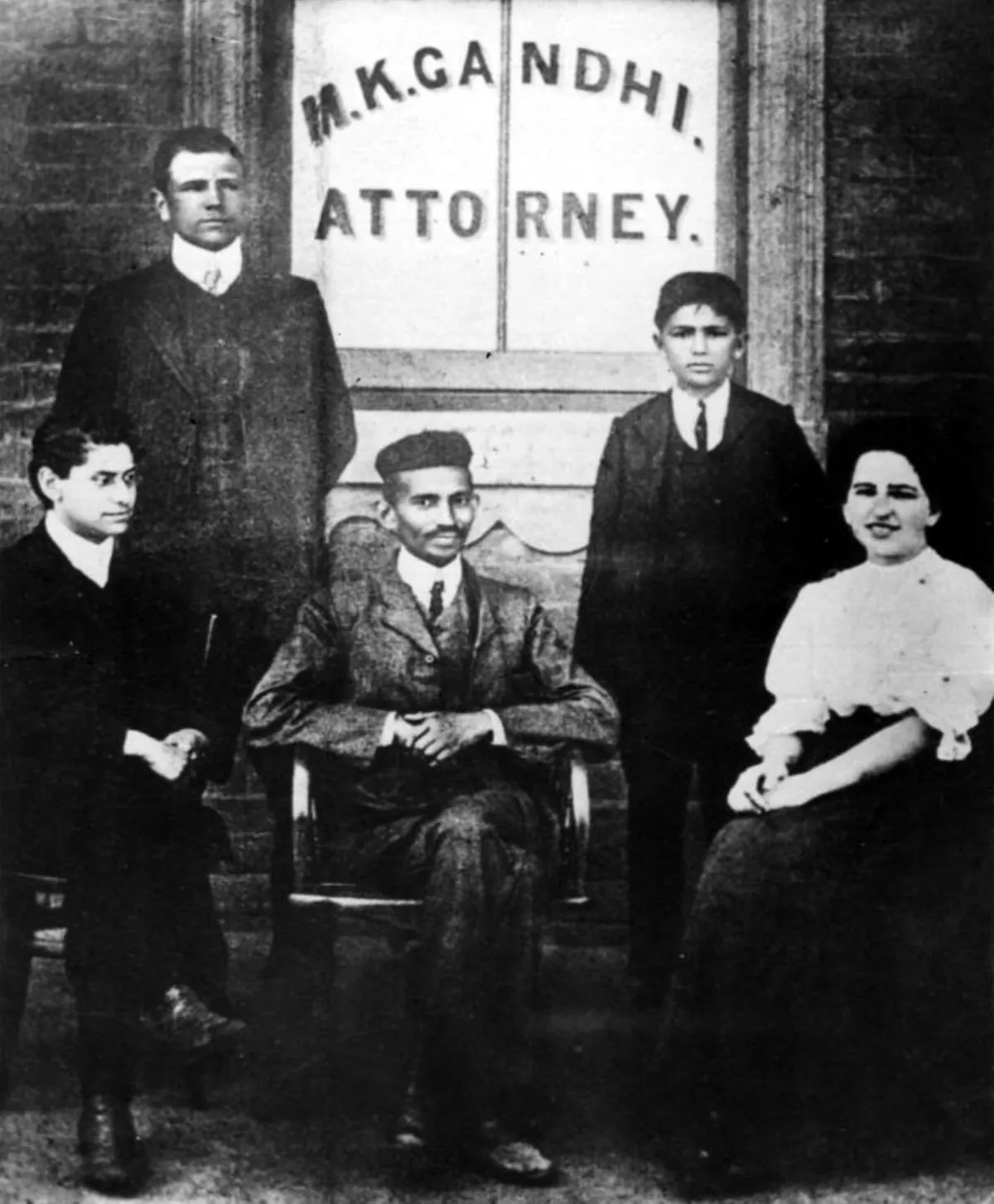
1. Sonja Schlesin was a South African best known for her work with Mohandas Gandhi while he was living in South Africa.
 1.
1. Sonja Schlesin was a South African best known for her work with Mohandas Gandhi while he was living in South Africa.
Sonja Schlesin began her service as his secretary at the age of 17.
Sonja Schlesin was recommended for a job by the architect Hermann Kallenbach to a new immigrant Indian lawyer named Mohandas Gandhi.
Sonja Schlesin told Gandhi that she wanted to work for him because she supported his work and not for the money that he was offering.
Sonja Schlesin took to smoking and wearing a collar and tie and she cut her hair short.
Sonja Schlesin included the suffragists as examples of protest in speeches she wrote.
Sonja Schlesin was entrusted with large sums of money and the trust to make executive decisions despite her age.
The support of Kallenbach and Sonja Schlesin was instrumental due to their ability to capitalize on their "white credentials" to muster support from the greater Anglo community, while further using the same status as protection from arrest and prosecution.
Gandhi returned to Britain in 1914 and Sonja Schlesin decided to remain in South Africa despite Gandhi's profuse thanks to her at farewell dinners in Cape Town, Johannesburg and Durban.
Sonja Schlesin enrolled at the University College of Johannesburg which she funded with a loan that Gandhi arranged.
Sonja Schlesin became a well respected but eccentric teacher of Latin at a high school in Krugersdorp for over 20 years with only two students having ever failed her course.
Sonja Schlesin stood up for her beliefs and would astound students by returning Christmas presents that were given to her.
Sonja Schlesin enrolled at the University of Natal in 1953 to study law but she did not complete the curriculum presumably due to her or the ill health of her sister Rose.
Sonja Schlesin died in Johannesburg in 1956 and her ashes were placed in a wall of remembrance at Braamfontein Cemetery in Johannesburg.
Sonja Schlesin worked unescorted and asked for little reward and "during the Satyagraha days, almost everyone of the leaders was in jail, she led the movement single handed".