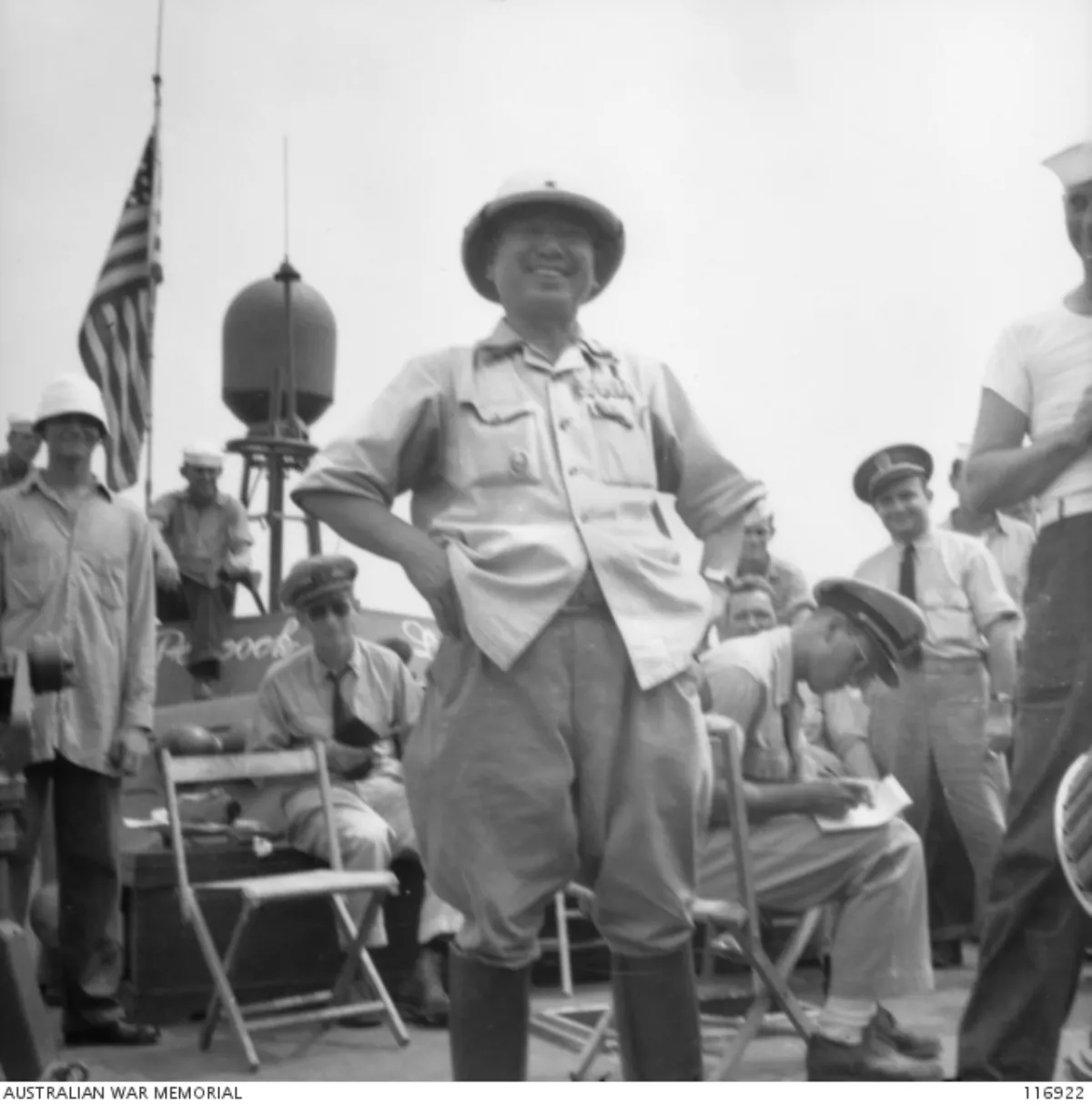
 1.
1. Tatsuji Suga was born in Hiroshima, the first son in his family.
 1.
1. Tatsuji Suga was born in Hiroshima, the first son in his family.
Tatsuji Suga graduated from Meido Middle School in Hiroshima and then the Imperial Japanese Army Academy in Tokyo, as a Second Lieutenant.
Tatsuji Suga was an affectionate father and ensured that all of his children went to university, at a time when only five per cent of Japanese went beyond the fifth or sixth grade.
Tatsuji Suga was an expert horseman and a keen practitioner of kendo.
Toward the end of World War I, Tatsuji Suga served in Siberia, Korea, Manchuria and China.
Tatsuji Suga sailed to the United States, leaving his family in Japan, supported by his pension.
Tatsuji Suga studied to become a certified teacher of English as a second language, at the University of Washington in Seattle.
Tatsuji Suga supported himself by taking a series of jobs, such as dish-washing, and by fishing.
Tatsuji Suga was interviewed in Seattle in 1924 by William Carlson Smith as part of Smith's research on race relations, later used for his book Americans in the Making, which was published in 1939.
Tatsuji Suga taught English as a lecturer at the Hiroshima High School of Technology, Japan, before he was called back to active service in 1937, to serve in the Second Sino-Japanese War.
Tatsuji Suga became ill with diabetes and retired again in October 1941.
Tatsuji Suga was appointed commander of all POW and internment camps in Borneo.
Tatsuji Suga was based at Batu Lintang but was often absent on business at the other camps.
Tatsuji Suga is described in Three Came Home, an account by Agnes Newton Keith, a female civilian internee at Batu Lintang:.
Brutality by the guards at Batu Lintang increased when Tatsuji Suga was away; internees wondered whether he left instructions for this to happen or whether the juniors left in charge took advantage of his absence to further abuse the prisoners.
Tatsuji Suga was a broken man: he believed that his entire family had been killed in the bombing of Hiroshima.
Tatsuji Suga attended the official surrender of the Japanese forces in the Kuching area by their commander, Major-General Hiyoe Yamamura, on board HMAS Kapunda on 11 September 1945.
On reflection, Quartermaine said, he believed that Tatsuji Suga was powerless in regard to the actions of the Japanese secret police, the Kempeitai.