 1.
1. Zita is often appealed to in order to help find lost keys.
 1.
1. Zita is often appealed to in order to help find lost keys.
Zita entered domestic service at the age of 12, and served the same family for almost 50 years.
Zita was known for her kindness and generosity to the poor.
Zita was born in Tuscany in Monte Sagrati, a village not far from Lucca.
Zita's maternal uncle, Graziano, was a hermit who dwelt on a neighbouring mountain where he had built a church and a shelter for travellers.
At the age of 12, Zita became a servant in the household of the Fatinellis, a well-to-do family of silk merchants.
Signora Fatinelli allowed Zita to attend school for a year and then put her to be trained under an older maid.
Zita gave a third of her wages to her parents, kept a third, and gave the rest to the poor.
Zita always rose hours before the rest of the family and took care to hear Mass every morning before she began work.
Zita attended to her tasks with diligence and fidelity, and studied when possible to anticipate what needed to be done.
Signora Fatinelli's dying wish was that Zita be placed in charge of the household.
Zita continued to serve the family after the death of Guglielmo Fatinelli in 1260, when his son Pagano became the head of the family.
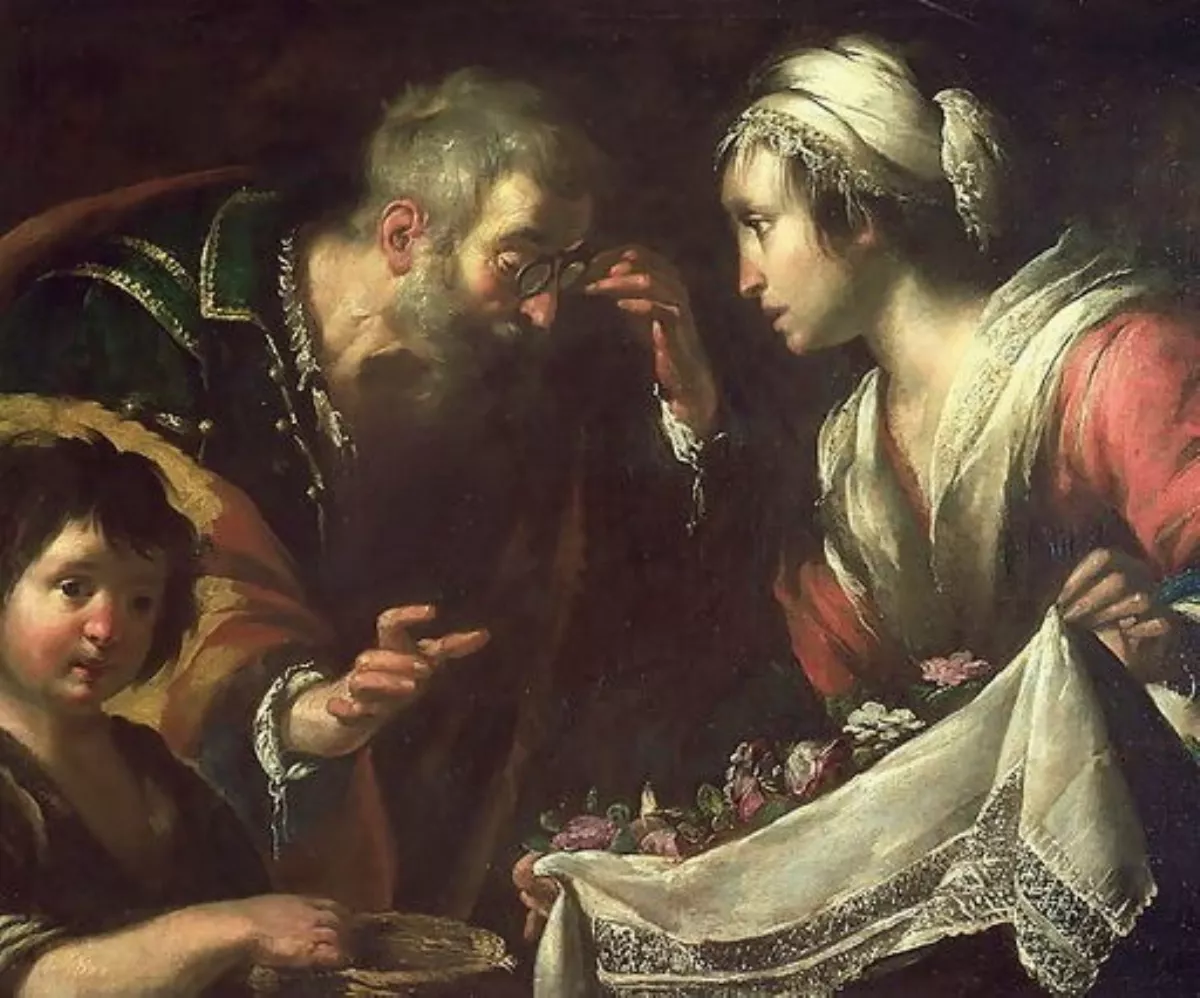
Zita is sometimes depicted in art carrying bread for the poor in her cloak.
Zita gave away her own food during a famine, and then gave away food belonging to her master.
On one morning, Zita left her chore of baking bread either to tend to someone in need.
Zita returned to find loaves all ready set and prepared in the kneading-trough.
Zita let a copper jug down into the well, and in the act of holding it out to him, made the sign of the cross over the water, praying that this drink might be blessed to the poor wayfarer.
Zita had served and edified the family for 48 years, and had become practically venerated by the family.
Zita was exhumed in 1580, and discovered to be incorrupt.
Images of St Zita exist in churches across southern England.
In 2022, Zita was officially added to the Episcopal Church liturgical calendar with a feast day on 27 April.
Zita is the patron saint of domestic workers, housekeepers, waitresses, and household chores.