 1.
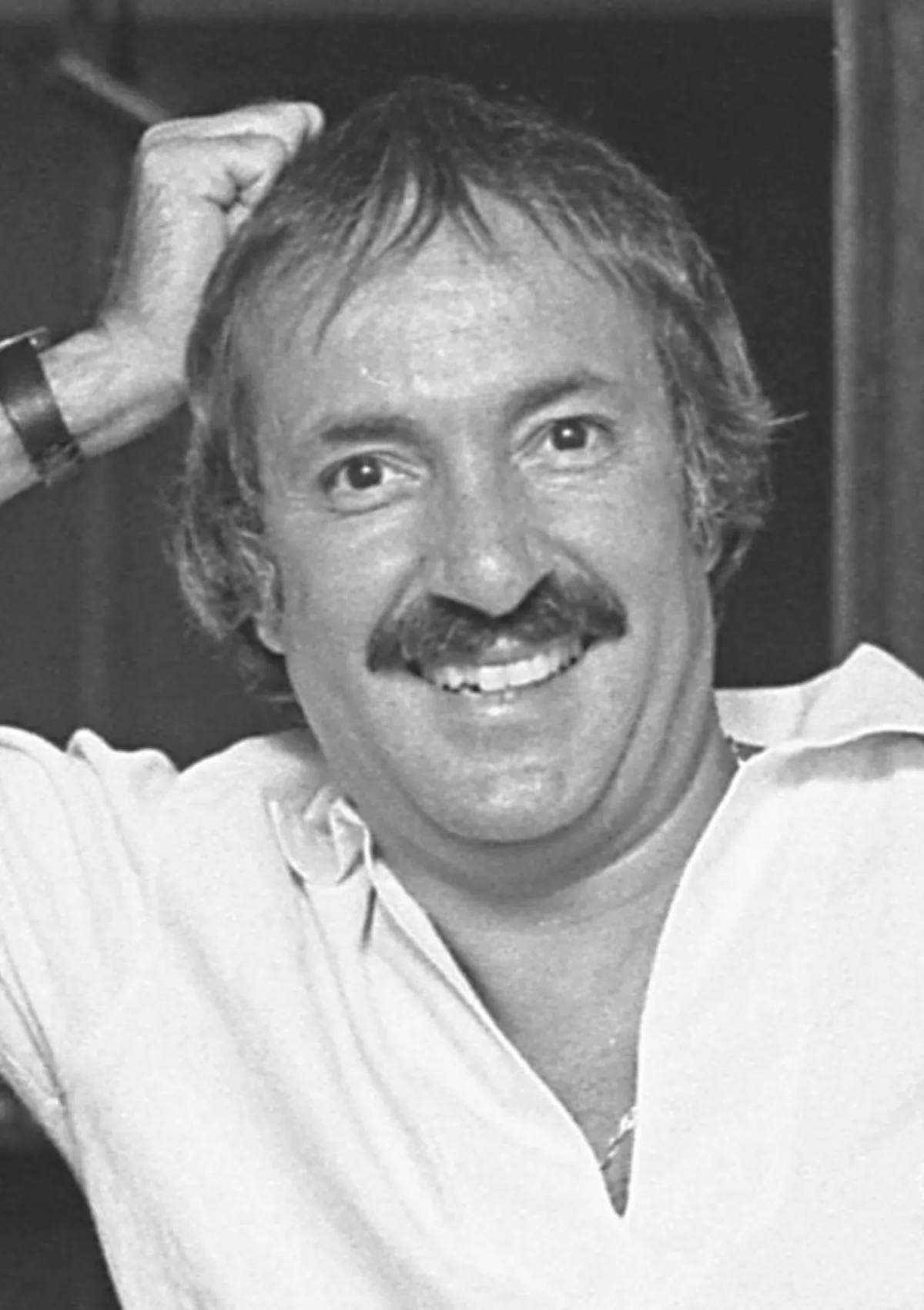
1. Albert Eli Coury was an American music record executive and producer who was vice-president of Capitol Records, co-founder of RSO Records, founder of Network Records and general manager of Geffen Records.
 1.
1. Albert Eli Coury was an American music record executive and producer who was vice-president of Capitol Records, co-founder of RSO Records, founder of Network Records and general manager of Geffen Records.
Al Coury released some of the best selling albums of all time such as the soundtracks of Saturday Night Fever, Grease and Flashdance, and albums such as Pink Floyd's The Dark Side of the Moon and Guns N' Roses' Appetite for Destruction, which earned him the title of the "Vince Lombardi of the record business".
Albert Eli Al Coury was born October 21,1934, to Lebanese parents and grew up in Worcester, Massachusetts.
Al Coury was instrumental in the transition of Capitol Records from the jazz and pop era, led by the label's artists such as Frank Sinatra and Peggy Lee, into the rock n' roll era that started in the early 60s.
At Capitol Records, Al Coury worked closely with The Beatles before and after their break up in 1970 as solo artists.
Al Coury worked on every album the Beatles released in the United States.
Al Coury was a central figure in The Beach Boys career since they first signed up with Capitol in 1962.
Al Coury was the one responsible for the success of their song "Barbara Ann" in 1965, which he picked as a single from their 10th album without telling the band, making one of the Beach Boys most successful hits of their career and their first highest-charting hit in Europe.
Al Coury was co-producer of Linda Ronstadt self-titled album Linda Ronstadt of 1972, considered to be a front-runner in the country rock music genre, and released her last album with Capitol Heart like a Wheel in 1974, which became Ronstadt's breakthrough album and earned her a Grammy Award for Album of the Year as well.
In 1974, Al Coury brought the song "Rhinestone Cowboy" written by Larry Weiss to Glen Campbell and promised to make it a hit if Campbell recorded it.
Al Coury then chose the song "Jet" as the second single, which helped make the album the most successful of McCartney's solo efforts.
Al Coury was instrumental in the long-awaited release of Lennon's 1975 album Rock 'n' Roll, bartering with producer Phil Spector to retrieve the master tapes from their abandoned 1973 recording sessions.
Al Coury worked extensively with the Bee Gees and Eric Clapton, two of the RSO's flagship artists.
In 1981, Al Coury created a new record label, Network Records.
In 1985, Irene Cara sued Al Coury, who had signed her to his Network Records.
Cara said she believed Al Coury had blackballed her in the industry.
Network Records was then merged with Geffen Records, and Al Coury became Geffen's general manager in 1985.
In 1987, Al Coury played a central role in the re-recording of the song "Here I Go Again" by Whitesnake, which Geffen's Eddie Rosenblatt was hesitant to do so, turning the song into the band's most successful charting hit.
Al Coury was crucial in launching Guns N' Roses career to stardom.
MTV and radio stations did not want to play their "Welcome to the Jungle" video and song but, after several months of trying, Al Coury managed to get MTV to play their video just once a night for three nights.
Al Coury died at the age of 78 on August 8,2013, in Thousand Oaks, California, from complications of a stroke.
Al Coury married Mary Ann Coury in 1967 divorced in 1984.
Al Coury was married to artist and children's book author, Tina Nichols Coury, from 1988 until his death in 2013.