 1.
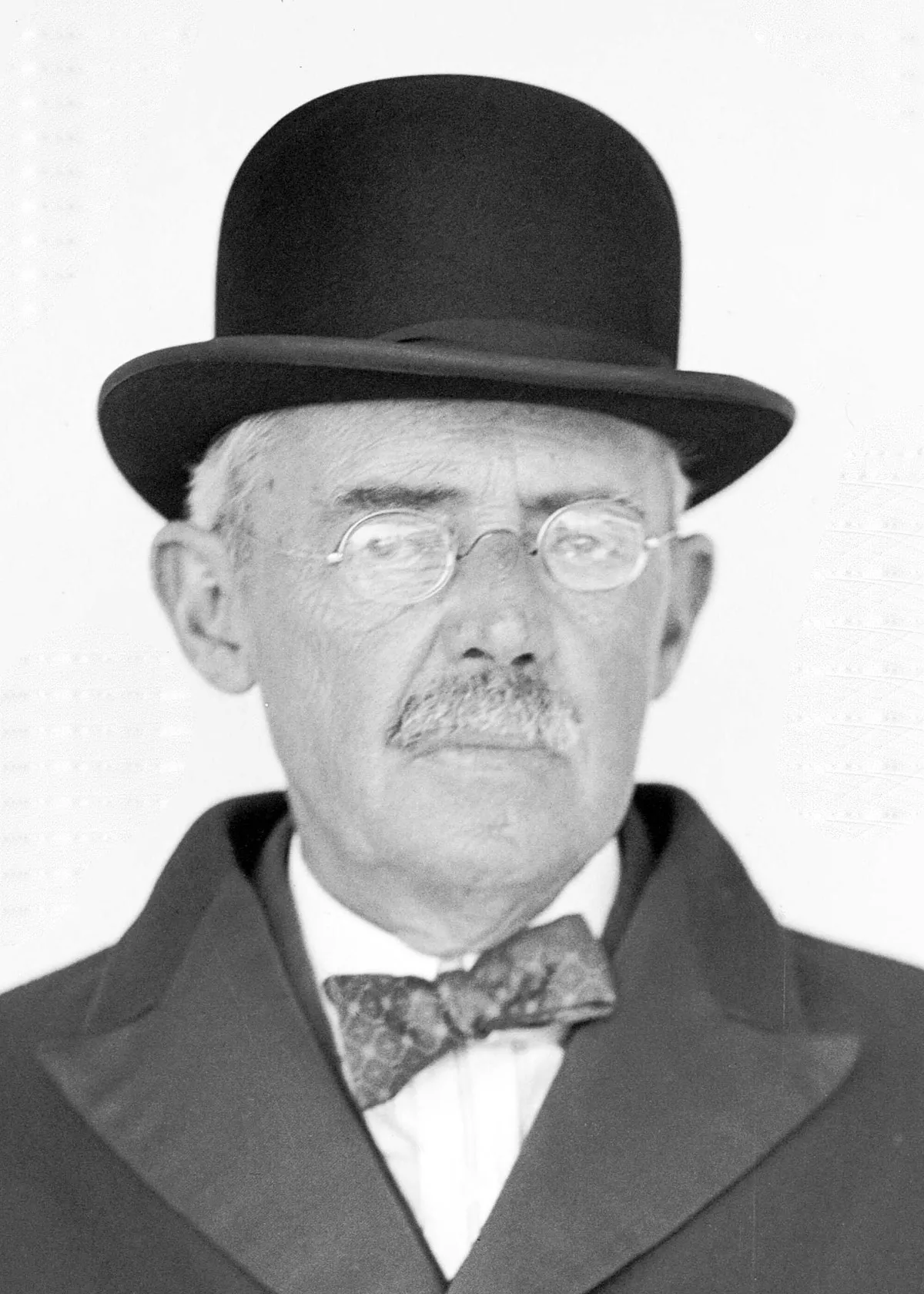
1. Sir George Stephenson Beeby KBE was an Australian politician, judge and author.

George Beeby was one of the founders of the Labor Party in New South Wales, and represented the party in state parliament from 1907 to 1912.
George Beeby fell out with the party and later served as an independent, a Nationalist, and a Progressive.
George Beeby left parliament in 1920 to join the state arbitration court, and in 1926 was appointed to the Commonwealth Court of Conciliation and Arbitration.
George Beeby was Chief Judge from 1939 until his retirement in 1941.
George Beeby had become interested in the land taxation proposals of Henry George in 1890 and was prominent in the beginnings of the New South Wales Labor Party.
George Beeby stood as a Labor candidate at the 1894 election for Armidale, but finished 3rd with a margin of 188 votes.
George Beeby worked as a journalist for a while and then began practising as a solicitor.
George Beeby stood as the Labour candidate at the 1904 election for Leichhardt, but again finished 3rd.
Beeby stood as a Labor candidate for Blayney at the by-election in January 1907 due to the resignation of W P Crick, but Beeby was defeated by 23 votes.
George Beeby won the seat of Blayney for the Labor Party at the 1907 election, and with William Holman was successful in considerably modifying the amending industrial disputes bill brought in by Charles Wade.
When James McGowen formed the first New South Wales Labor ministry in October 1910, George Beeby was appointed Minister of Public Instruction and Minister for Labour and Industry from 21 October 1910 until 10 September 1911.
George Beeby was re-elected for Blayney as an independent after a close fought by-election on 23 January 1913, with a margin of 136 votes.
George Beeby's voters helped elected a Labor candidate in the second round.
George Beeby subsequently announced that his party had failed and there was no room for a third party in New South Wales.
George Beeby had been called to the bar in 1911 and now worked up a successful practice as a barrister.
When Holman formed his Nationalist ministry in November 1916 George Beeby again was appointed Minister for Labour and Industry with a seat in the New South Wales Legislative Council.
In 1918 George Beeby, who had in the meanwhile been elected to the assembly for Wagga Wagga, succeeded in passing an industrial arbitration amendment act though it was strongly opposed by the Labour party.
George Beeby joined the Progressive Party in 1920, with the introduction of proportional representation and was elected as the member for Murray, with the party winning 15 seats.
George Beeby was appointed chief judge in March 1939 and was knighted in the same year.
George Beeby married in 1892 and was survived by his wife, a son and three daughters.
One daughter, Doris Isobel George Beeby, was a communist party member and sought higher women's wages.
George Beeby was the author of Three Years of Industrial Arbitration in New South Wales, a pamphlet; Concerning Ordinary People, a volume of readable plays; In Quest of Pan, a satire in verse on some of the Australian poets of the period; and A Loaded Legacy, a light novel which appeared in 1930.