 1.
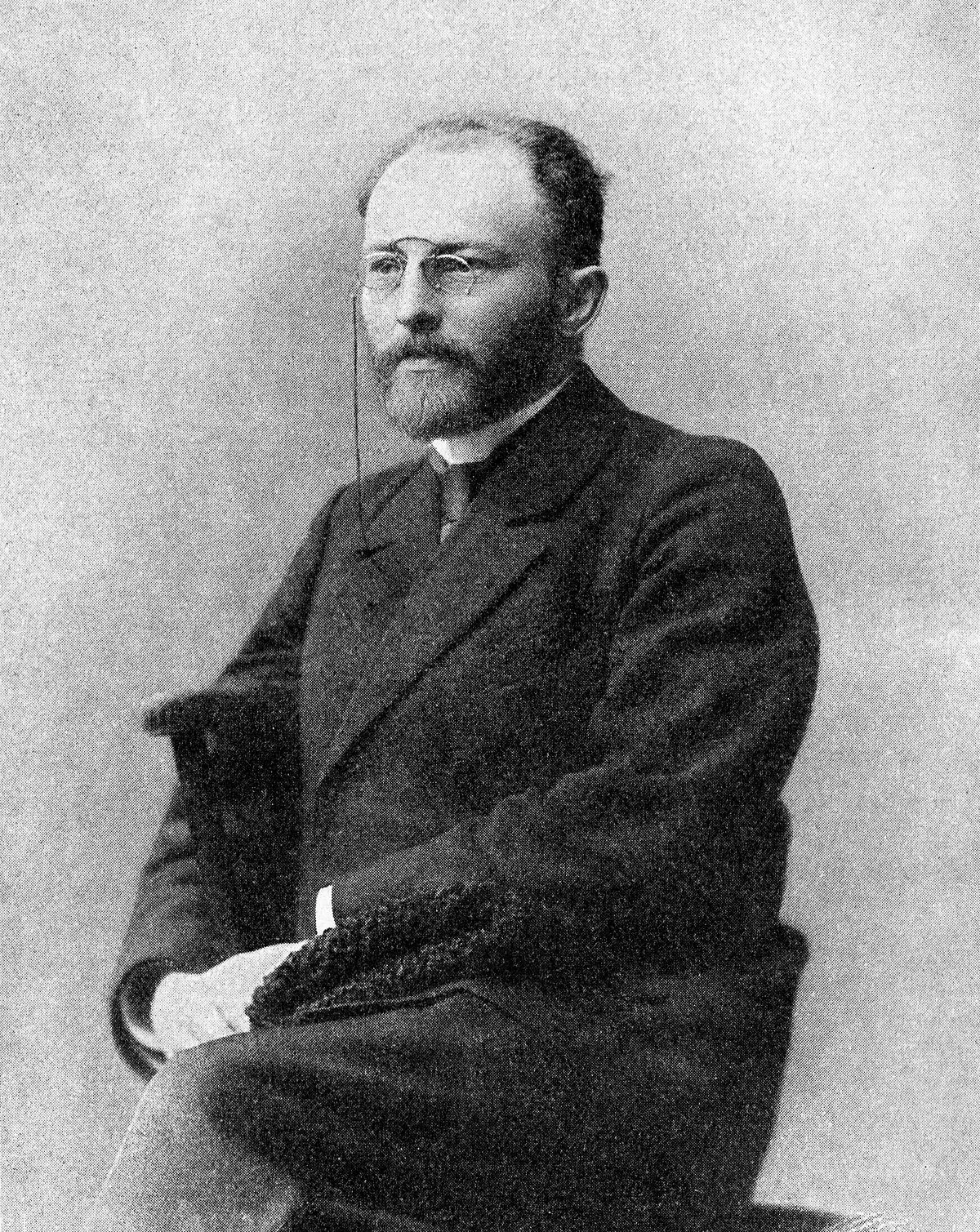
1. Vikenty Vikentyevich Smidovich, better known by his pen name Vikenty Vikentyevich Veresaev, was a Russian and Soviet writer, translator and medical doctor of Polish descent.
 1.
1. Vikenty Vikentyevich Smidovich, better known by his pen name Vikenty Vikentyevich Veresaev, was a Russian and Soviet writer, translator and medical doctor of Polish descent.
Vikenty Veresaev was a cousin of the later prominent Soviet politician, Pyotr Smidovich.
Vikenty Veresaev's first work to appear in print was a collection of poems in 1885.
Vikenty Veresaev wrote about the difficult position of the Russian peasantry, such as in the short story "Lizar" which was praised by Vladimir Lenin.
Vikenty Veresaev published his most successful book, the semi-autobiographical Memoirs of a Physician in 1901, in which he sharply criticized the system of Russian medical education.
Vikenty Veresaev told of his experiences in his book In the War, published in 1906.
Vikenty Veresaev wrote a long critical and philosophical work entitled Vital Life, the first book of which was devoted to a comparative analysis of Fyodor Dostoevsky and Leo Tolstoy ; the second book, Apollo and Dionysius, was a critique of Friedrich Nietzsche's views.
In 1911 Vikenty Veresaev established the Pisately v Moskve Publishing House which he headed until 1918.
Vikenty Veresaev completed his cycle of works about the intelligentsia, including the novels The Deadlock and The Sisters.
Vikenty Veresaev published his reminiscences In the Years of My Youth in 1927 and In My Student Years in 1929.
Vikenty Veresaev translated works by ancient Greek and Roman authors, including Homer's Hymns, Sappho, Archilochus and others.
Vikenty Veresaev was awarded the Order of the Red Banner of Labour.