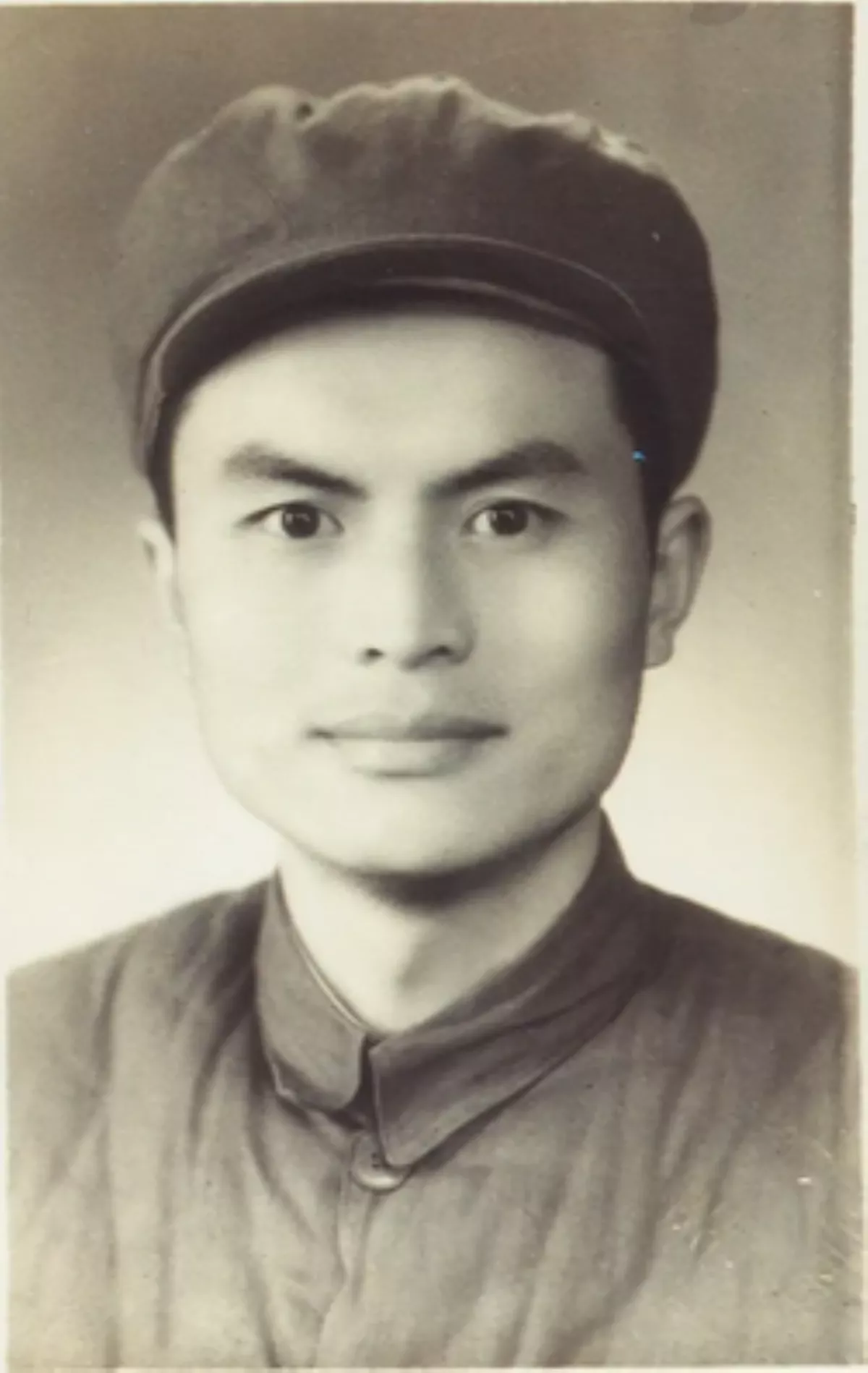
 1.
1. Li Rui was a Chinese politician, historian and dissident Chinese Communist Party member.
 1.
1. Li Rui was a Chinese politician, historian and dissident Chinese Communist Party member.
Li Rui regained an influential position in the CCP but, after only a few years, was forced to resign because he was unwilling to favor the children of influential party members.
Li Rui wrote five books on Mao and early Communist Party history.
Li Rui was described by The Guardian in 2005 as living a life "filled with rebellions, often at great personal cost, against those who abused their power".
Li Rui was born Li Housheng in Pingjiang County, Hunan Province, in April 1917, to a wealthy family.
Li Rui's father had been a member of the Tongmenghui, an anti-imperial revolutionary party.
Li Rui became the editor of domestic commentary for the Jiefang Daily in September 1941 and later the newspaper's head of the editorial bureau for areas under Communist control.
Li Rui served as a secretary to Chen Yun, who would later be an architect of China's economic reform under Deng Xiaoping.
Li Rui attracted the attention of China's leader, Mao Zedong, through his passionate opposition to the proposed Three Gorges Dam on the Yangtze River.
Li Rui successfully persuaded Mao to postpone the start of the project.
Li Rui came close to starving, but was saved by a transfer to a more survivable camp arranged by outside friends.
Li Rui was an ally of prominent reformists such as Zhao Ziyang and Hu Yaobang.
Li Rui's writings did not hesitate to criticise Mao or contemporary party leaders.